
Best Travel Steamers for Clothes: How to Choose the Right One
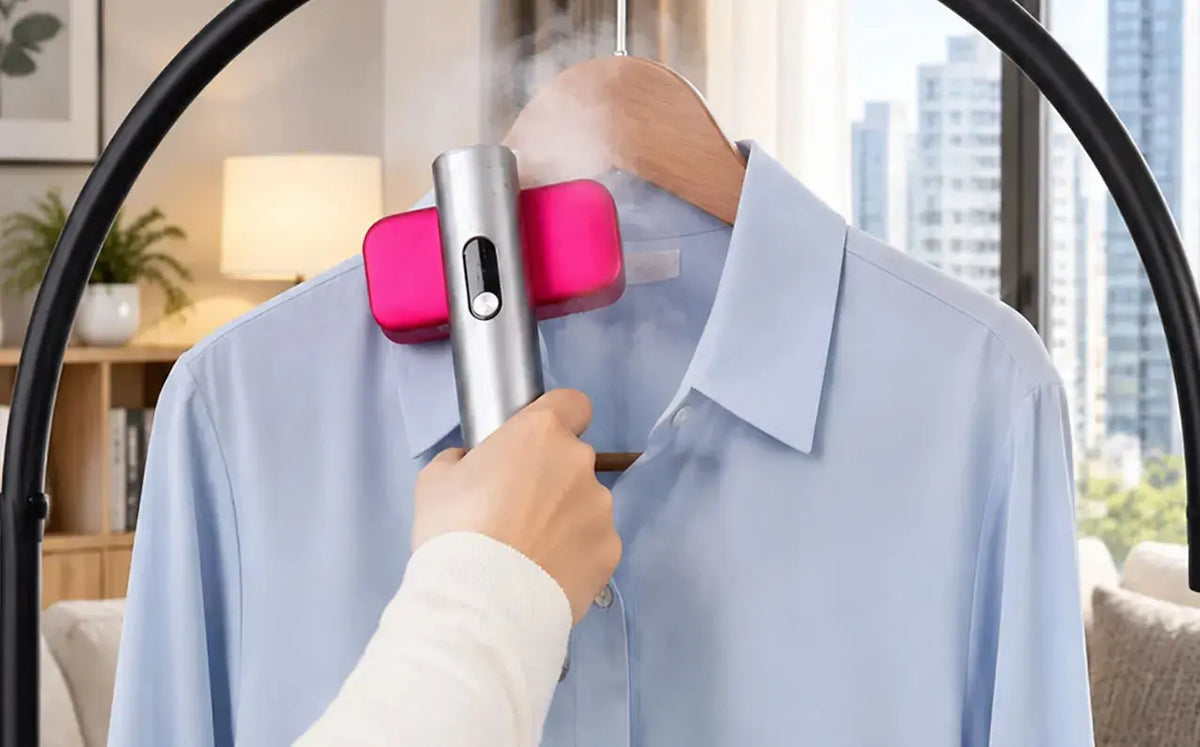
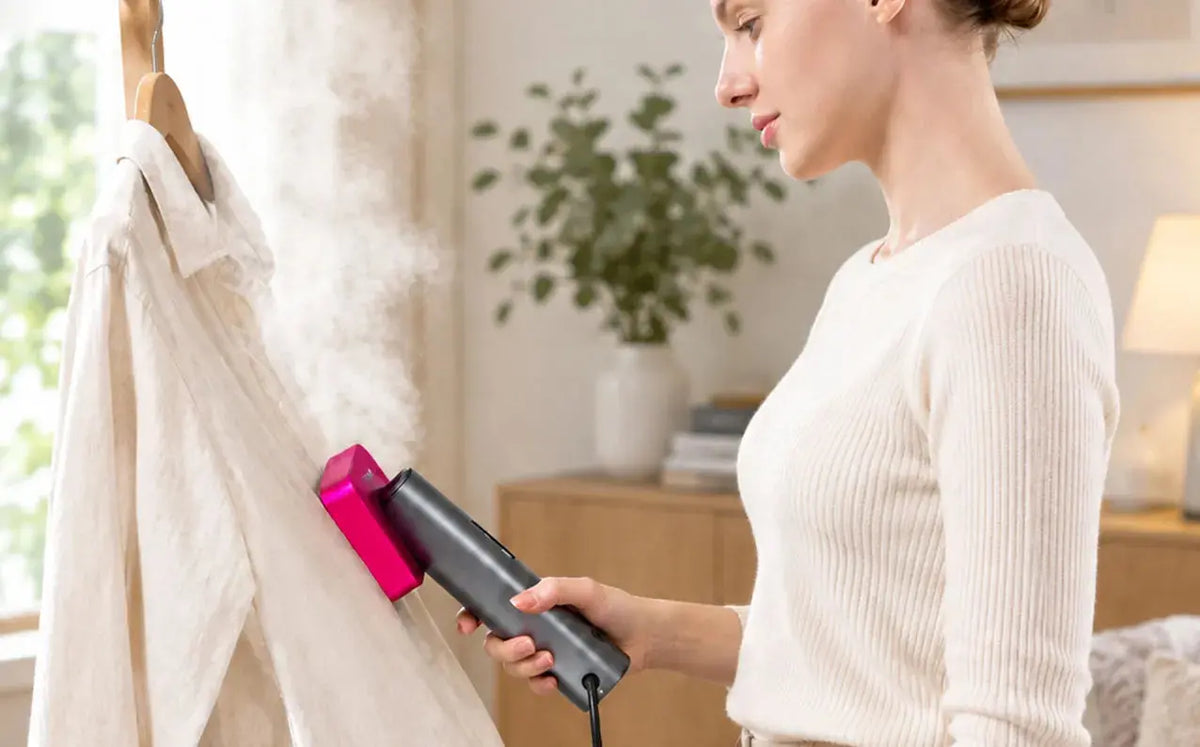
Travel rarely goes exactly as planned. You might arrive at your hotel late, unpack for an early meeting, and find that your favorite shirt is covered in wrinkles. A compact travel steamer can help you smooth things out without having to track down an iron.
If you're shopping for a travel steamer for clothes, you'll find plenty of options, from lightweight models that fit easily into a carry-on to more powerful handheld steamers. The challenge is figuring out which features are worth paying for.
The best travel steamer for you depends on what you pack, how often you travel, and how many garments you typically need to steam. Here's what to compare before making a purchase.

1. What to Look for in a Travel Steamer
A good travel steamer should be easy to pack, simple to use, and effective on the types of clothes you bring on your trips. A few key specifications can help you narrow down your options.
Size and Weight: Make Room in Your Luggage
If you travel with only a carry-on, check the steamer's dimensions as well as its weight. Product photos can make an appliance look smaller than it actually is, so look at the listed measurements before buying.
A lightweight model may be all you need for a weekend away or a quick business trip. If you regularly pack several shirts, dresses, or other garments that need steaming, consider whether a slightly larger model offers enough extra capacity to justify the space it takes up.
The goal is to find a steamer that fits your luggage without making garment care more difficult.
Heat-Up Time: Get Ready Faster
When you're getting dressed before a meeting or dinner, waiting for an appliance to heat up is one more thing to deal with.
Some travel steamers advertise heat-up times of around 15 to 30 seconds, although actual performance varies by model. Check the manufacturer's specifications, and look for information about steam output and how long the appliance can run between refills.
A short heat-up time tells you how quickly the steamer is ready to use. It doesn't necessarily mean the appliance will remove wrinkles quickly, especially from heavier fabrics such as cotton and linen.
If you frequently travel with business clothes, consider overall steaming performance rather than choosing a model based on heat-up time alone.
Water Tank Capacity: How Much Can You Steam at Once?
A small water tank helps keep a travel steamer compact, but it may require frequent refills. A larger tank can be more convenient if you're preparing several outfits.
Think about how you typically travel. If you only need to freshen up one or two shirts, a smaller tank may be enough. If you steam several garments before heading out, compare tank capacity and the manufacturer's estimated runtime.
Tank size alone doesn't tell you how long a steamer will run. Water consumption depends on the appliance's design and steam output, so check both specifications when possible.
Dual Voltage: Check Before Traveling Abroad
If you travel internationally, make sure your steamer is compatible with the electrical supply at your destination.
The United States commonly uses 120V household power, while many other countries use 220–240V. A steamer rated for 100–240V supports a broad range of household voltages, subject to the manufacturer's instructions and frequency requirements.
One important detail: a plug adapter does not convert voltage.
If your steamer only supports 120V, connecting it to a 230V outlet with a basic plug adapter can damage the appliance and create a safety hazard.
Before packing, check the input rating on the appliance or its official product page. You'll also need a compatible plug adapter if the outlet shape differs at your destination.
2. Comparing NESUGAR Travel Steamer Models
NESUGAR offers several portable garment steamers, including the G2 Pro, G3 Pro, and G5 Pro. When comparing them, focus on the specifications that affect everyday use: weight, heat-up time, water capacity, and voltage compatibility.
The details below are based on information referenced in the brand's travel guide. Confirm the latest specifications on the official product pages before purchasing.
NESUGAR G2 Pro: A Lightweight Option
According to the brand's published information, the NESUGAR G2 Pro weighs approximately 0.8 pounds, supports 100–240V, and has a stated heat-up time of around 15 seconds.
Its listed weight may appeal to travelers who want to keep their luggage light, especially on short trips. Before choosing it, check the tank capacity and estimated steaming time to make sure the steamer can handle the clothes you plan to bring.
If you're deciding between the G2 Pro and another compact model, compare their dimensions and practical features rather than focusing on weight alone.
NESUGAR G3 Pro: For Quick Touch-Ups
The NESUGAR G3 Pro is another portable option featured in the brand's travel guide, with a stated heat-up time of approximately 15 seconds.
That may be convenient when you need to smooth out a shirt or dress shortly before heading out. However, heat-up time is only one part of the comparison.
Before deciding between the G3 Pro and the G2 Pro, check their current specifications side by side, including weight, tank capacity, steam settings, and operating instructions. If the two models offer similar features, price, warranty, and ease of storage may help you decide.
NESUGAR G5 Pro: For Steaming Multiple Garments
According to the brand's published information, the NESUGAR G5 Pro has a 200 mL water tank, a rated power of 1,500W, and 100–240V compatibility.
The listed tank capacity may be useful if you plan to steam several garments in one session. To determine whether it's enough for your needs, compare the manufacturer's estimated runtime with the number and type of clothes you usually pack.
The 1,500W rating indicates the appliance's rated electrical power, but wattage alone doesn't establish how effectively a steamer removes wrinkles. Steam output, fabric type, and garment construction all affect the results.
Which NESUGAR Travel Steamer Fits Your Needs?
Use these priorities to narrow down your options.
|
If you care most about... |
Compare these features |
|
Packing light |
Weight, dimensions, and storage design |
|
Quick touch-ups |
Heat-up time and ease of use |
|
Steaming several garments |
Water capacity and estimated runtime |
|
International travel |
Voltage rating and frequency requirements |
|
Different fabric types |
Steam settings and garment-care guidance |
Before buying, compare current prices, verified specifications, warranty terms, and return policies. These details will help you distinguish between models more reliably than marketing claims alone.

3. Choosing a Travel Steamer for Your Trip
Your travel schedule and wardrobe can help determine which features matter most.
For Business Trips
If you travel for work, you may need to get ready quickly before an early meeting or a full day of appointments.
Look for a steamer that's easy to handle and has a heat-up time that suits your routine. If you usually steam just one or two shirts, a compact model may be sufficient. If you prepare several outfits at once, pay closer attention to tank capacity and runtime.
For Weekend Getaways
For a one- or two-night trip, a compact steamer may be all you need.
Check the dimensions against your available luggage space, especially if you're packing everything into a small carry-on. Extra features aren't necessarily worth the added weight if you won't use them.
For Weddings and Special Events
A travel steamer can be useful when you're packing for a wedding, formal dinner, or other special occasion. However, not every garment is suitable for steaming.
Check the care label before use, particularly for silk, embellished garments, and fabrics with special finishes. If the instructions are unclear, consult the garment maker's guidance or use a professional garment-care service rather than risking damage to an expensive outfit.
For International Travel
If you regularly visit countries with different electrical standards, check the steamer's voltage rating before packing.
A dual-voltage model can be convenient, but you still need to confirm its frequency requirements and the manufacturer's instructions. You may also need a plug adapter to fit the local outlet.
4. How to Use a Travel Steamer Safely
Before using your steamer, check the garment's care label and the appliance's instructions. Different steamers have different recommendations for fabric types, steaming distance, and water use.
Step 1: Check the care label.
Make sure the garment is suitable for steaming. Be cautious with leather, suede, certain coated fabrics, and clothing with delicate embellishments.
Step 2: Hang the garment securely.
Use a sturdy hanger and leave enough room to work. Keep the steamer away from electrical outlets and surfaces that could be damaged by heat or moisture.
Step 3: Fill the tank as directed.
Stay below the maximum fill line and use the recommended type of water. Don't add perfume or other liquids unless the manufacturer explicitly allows them.
Step 4: Test a small area first.
For dark colors, delicate fabrics, or unfamiliar materials, test an inconspicuous area and check for water spots or changes in appearance.
Step 5: Keep your hands away from the steam.
Follow the manufacturer's instructions for steaming distance and technique. Hot steam can cause serious burns, so never direct it toward your hands or face.
Step 6: Let the garment dry completely.
Allow clothes to dry before wearing them or packing them away. Packing damp clothing can leave it feeling clammy and may lead to musty odors if moisture gets trapped.

5. Four Travel Steamer Buying Mistakes to Avoid
Mistake #1: Choosing Based on Popularity Alone
A product's popularity can help you build a shortlist, but it doesn't tell you whether the steamer will suit your needs.
Read recent customer reviews and look for comments about water capacity, ease of use, durability, and performance on the fabrics you wear. Compare those observations with the manufacturer's specifications before deciding.
Mistake #2: Assuming Higher Wattage Means Better Results
Wattage indicates rated electrical power, not guaranteed wrinkle-removal performance.
Compare the rating with the manufacturer's steam-performance information and test results, if available. Don't use wattage as the only measure of how well a steamer will work on your clothes.
Mistake #3: Assuming Every Fabric Can Be Steamed
Check the garment's care label before steaming, especially for silk, embellished clothing, and fabrics with special finishes.
If you're unsure whether a garment can be steamed safely, consult the manufacturer's guidance or choose a professional cleaning service.
Mistake #4: Buying the Smallest Model Without Checking Its Capacity
Before choosing an ultra-compact steamer, check how many garments it can handle per fill and which fabrics it's designed to steam.
A smaller model may be convenient for occasional touch-ups, but frequent travelers who prepare several outfits may prefer a larger tank and longer steaming time.
6. Travel Steamer Buying Checklist
Before making a purchase, check the following:
- Is the steamer light enough and compact enough for my luggage?
- Is the heat-up time suitable for my routine?
- Can the tank handle the number of garments I typically steam?
- Is the appliance suitable for the fabrics I wear most often?
- Is the voltage compatible with my international destinations?
- Are the operating and safety instructions clear?
- Is the steamer easy to cool, drain, and store?
- Are the warranty and return policies clearly stated?
Once you've narrowed down your options, compare current prices and recent customer reviews. Check the warranty and return policy before buying, especially if you're purchasing a model you haven't used before.
Frequently Asked Questions
What Features Matter Most in a Travel Clothes Steamer?
For most travelers, the main considerations are weight, heat-up time, tank capacity, and ease of use. If you travel internationally, check voltage compatibility as well. Frequent business travelers may prioritize quick touch-ups, while longer trips may call for a larger tank.
Is a Travel Steamer Worth Packing for Business Trips?
It may be worth packing if you regularly wear dress shirts, blouses, or dresses and prefer to handle minor wrinkles yourself. A portable steamer can be convenient when you don't want to rely on an iron in your hotel room, although results vary by fabric and model.
What Voltage Should I Look for When Traveling Internationally?
Look for a steamer rated for the voltage used at your destination. A 100–240V model supports a broad range of household voltages, but check the appliance's frequency requirements and the manufacturer's instructions.
You'll also need a compatible plug adapter if the outlet shape differs. An adapter alone does not convert voltage.
Can a Travel Steamer Remove Every Wrinkle?
Travel steamers generally work best on light wrinkles in fabrics that respond well to steam. Heavy linen, thick cotton, and deep creases can take longer to smooth out, and some garments may need a different care method. Check the garment's care label before use.
Is a Larger Water Tank Always Better?
Not necessarily. A larger tank can reduce refills, but it may also add weight and bulk.
If you usually steam one or two garments, a smaller tank may be sufficient. If you regularly prepare several outfits, additional capacity may be worth the extra size.
Final Thoughts: Pack Light, Look Sharp
The right travel steamer should fit your packing routine and make it easier to get ready away from home.
Before buying, compare weight, heat-up time, tank capacity, steam performance, and voltage compatibility. Then check the current price, warranty, and return policy to make sure the model is a good fit for your needs.
If you're considering a NESUGAR steamer, verify the latest specifications on the official product page and compare the features that matter most for your trips.
After all, travel should come with surprises. Wrinkled shirts don't have to be one of them.