
My daily work involving Portable Steamer tools
The practical experience and tips of an event planner
After a few seasons in events you get used to crisis moments: a wedding about to begin, an outdoor banquet in gusty winds, or drapes wrinkling the moment the tablecloth is spread. In those moments, my first line of defense isn't coffee or a last-minute team huddle — it's a Portable Steamer. Don't dismiss it. I've pulled it out to fix countless near-disasters. If you spend time at events — or if travel leaves your clothes looking crushed — the tips here will save you time and stress.

Why do I always bring a Portable Steamer with me for almost every task?
Traditional irons and ironing boards are indeed very effective, but who wants to set up an ironing board in the middle of a conference room? Usually it goes like this: the backdrop's up, guests are arriving, and the photographer is giving that “hurry please” look. But the Portable Steamer allows me to handle wrinkles while standing, it doesn't take up space, works quickly, and won't damage delicate fabrics. Sometimes I value it more than my backup battery packs. If batteries die, the show often still goes on — but a wrinkled backdrop can instantly sap the room's energy.
Choose a Portable Steamer — I only look at three things
1. Steam should be released quickly
I prefer models that start steaming as soon as you flip them on — no fiddling, no waiting. A preheating period of 15 to 30 seconds is my current limit. If it needs longer, it becomes a nuisance.
2. Lightweight, so it doesn’t strain your hand
We already walk a lot on-site; a heavy tool just adds to shoulder strain. The lighter they are, the better. The longer the cable, the better. Being able to fit different plugs is even more of a blessing, especially when there are many overseas activities.
3. The steam output is steady and doesn’t fluctuate
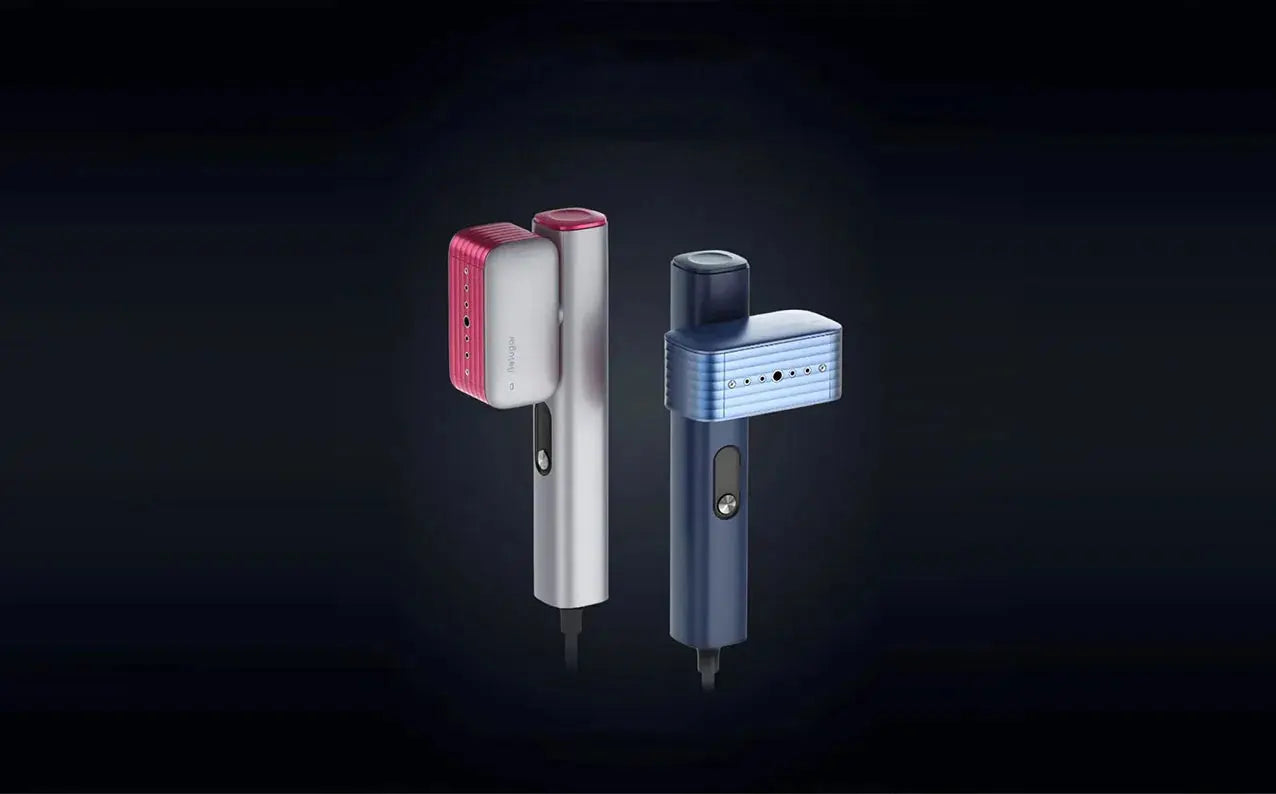
A steady steam output is a must — inconsistent bursts are useless on delicate fabrics. Thicker fabrics require stronger steam. Formal wear and silk garments must be handled gently. Only models that can stabilize the steam output are truly useful. Some brands perform relatively well in this regard, such as a Nesugar portable device I used before. It heats up quickly and doesn't spray water randomly. It saved me a ton of trouble when I was in a rush.

The 9 most commonly used steam techniques at the scene
1. The backdrop can be quickly steamed flat
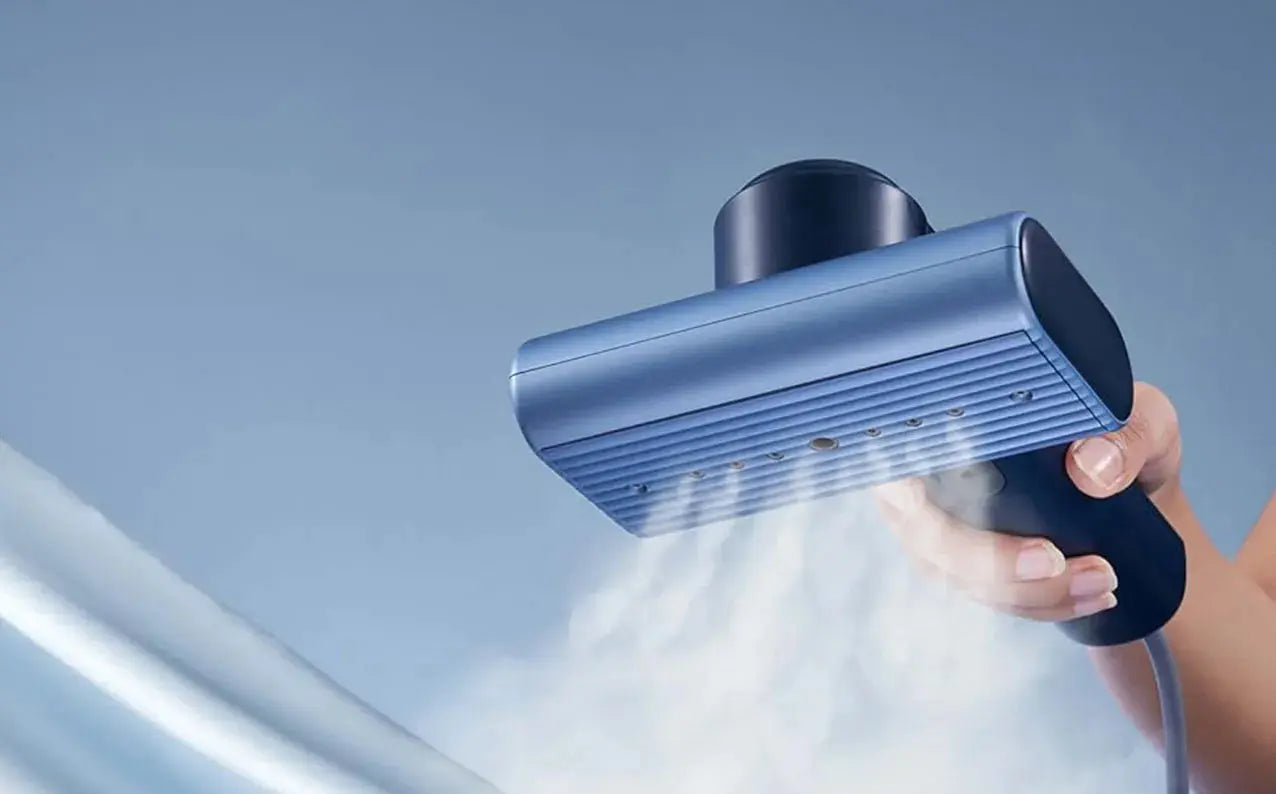
After hanging the curtain, start steaming from the top and proceed vertically downwards at a moderate speed. The distance should be kept at a few centimeters. Too close will cause water to drip, while too far will have no effect.
2. Quick fix for creases on tablecloth
If hard creases appear after laying a tablecloth, avoid yanking — that only sets the fold deeper. I usually start by gently steaming it, then use my hands to press it from the center outwards, like giving the tablecloth a massage. This method results in a more natural appearance.
3. Touching up backstage gowns
The costume changes for actors or brides usually only take a few minutes. I use a Portable Steamer in the backstage area and the wrinkles immediately become softer. I keep a distance from the sheer fabrics and use a stronger steam for the thicker gowns.
4. Revival of Artificial Flowers
The silk flowers often get crushed during transport. Just a little steam can restore the petals and make the flowers “wake up.” However, don't steam them for too long with plastic materials, or you'll regret it.
5. Tents, large decorative fabric surfaces
The outdoor wind will disperse the steam. I will handle it first from the upwind side. I work in sections from both the inside and outside. The thick cloth requires patience, but the results are very obvious.
6. The “photo-ready area”
The camera lens is extremely sharp, and even the slightest crease can be clearly seen. I do a last-minute steam check of backgrounds and tablecloths about two minutes before shooting. This can enhance the visual effect by one level.
7. Quick Odor Refresh
Steam can also reduce mild odors left by transport or storage. I use it as an emergency deodorizer — it's not a disinfectant or a replacement for proper cleaning, but it helps with faint, lingering smells.
8. Make quick shape adjustments to the set
Steam temporarily relaxes fabric structure, making small shape adjustments possible. I often use it to make the set more stable, such as fixing the arch curtains, adjusting the curvature of the bows, and making the whole scene more refined.
9. Portable Storage Tips
I always bring a small bottle of distilled water — it helps prevent scale buildup. I also keep a microfiber cloth, which is used to flatten the fabric after steam treatment. The effect is comparable to magic.

A five-minute on-site fix
This process has been used by me countless times and has worked perfectly every time:
1.First, secure the four corners of the cloth.
2.Let the Portable Steamer heat for a moment while you prepare — it should be ready quickly.
3.Work in sections and cook from top to bottom, without jumping around.
4.After steaming, press it gently with a microfiber cloth to set the shape with the heat.
5.One minute for cooling, checking the details, and then completion.
When a photographer sees this effect, they usually nod at you, and that nod means “Nice save.”
Pay attention to the small details to ensure that the steamer functions properly
Using pure water or distilled water can make the steam more stable and less likely to get clogged. After each use, pour out the water and don't let it “take a bath” in the water tank. If there is scale, clean it up promptly. The gentlest method is the safest. Cool down and then pack it. Don't let the heat build up inside and damage the machine.
These small habits noticeably extend a steamer's life.

Common minor problems, how I handle them
- No steam: Check the power supply and water volume. It's likely to be scale buildup.
- Leaking water: Usually it's because of the wrong angle. I'll empty the water, adjust my position and try again.
- Intermittent jetting: Shut down, cool down, then restart it to let it reset itself. There's no time for a major overhaul on site. Just make it work for now.
Conclusion: the Portable Steamer is an unsung workhorse for event teams
Over the years, I have regarded the Portable Steamer as an integral part of my work. To me, it is not just a tool, but more like a companion that helps me clean up messes. Without exaggeration, it has helped me maintain the “respectability” of many events: from weddings to company anniversaries, from outdoor parties to backstage dressing rooms.
If you work in events — or just want neater travel clothes and home textiles — add a decent Portable Steamer to your kit. Choose the right model, use the right method, and do a little routine maintenance. With these steps, it will not let you down in critical moments.