
After twelve years as a manager at an upscale restaurant, I've realized that what guests remember is never just the steak—it's also those small, unnoticed details we provide.
"Manager, you're the first one here again today."
I almost hear this sentence every morning.
Sometimes it's the front desk receptionist who says it, and sometimes it's the server responsible for opening the door.
I always reply with a smile: "It's not that I'm diligent; it's just that I'm getting old and can't afford to sleep in anymore."
Actually, it's not that I can't sleep.
Just because I've been in this line of work for so long, I always feel I should get there a little earlier than others.
High-end restaurants aren't like they are in the movies, where customers just show up as soon as the lights are turned on and the music starts playing.
A real day begins at the back door.
A truck delivering seafood pulls up in the alley, and the kitchen begins inspecting the goods; the baker puts the first batch of sourdough bread into the oven; the bar starts slicing an entire box of lemons; the executive chef stands at the prep station, studying the day's special; clinking sounds already echo from the dishwashing area.
And I, holding a cup of black coffee that I haven't even taken two sips of, will slowly walk around the restaurant.
See how things have recovered this morning after the last group of guests left last night.
Are the chairs arranged neatly?
Does the wine glass have water spots left from being polished the night before?
Is the tablecloth stretched flat?
Is the air conditioning temperature comfortable?
Was the background music volume adjusted yesterday?
No one is pushing for these things.
Someone has to watch.
If no one is watching, that person is usually me.

The restaurant manager excels at handling crises.
Many friends have always thought that I must be quite elegant every day.
Wear a suit.
Tie a necktie.
Chatting with guests at the door.
That sounds really good.
But if they spent a day with me, by the time they got home that night they'd probably say: "This job really isn't fit for humans."
The pre-shift meeting starts at 10:30 a.m.
The kitchen said one ingredient didn't arrive today.
The bar said the ice machine suddenly triggered an alarm.
The front desk said an employee's child has a fever and is taking leave today.
Just as I had finished assigning the staff, the phone rang again.
Hello, we originally have ten people tonight—could we change it to twelve?
Before you could answer, the kitchen was already asking: "Manager, a guest in the private dining room said they don't eat dairy products."
The phrase I say most often during the day isn't "Welcome."
I'll handle it.
Sometimes, I even feel like I'm not a manager at all, but more like a traffic cop.
Wherever there's a bottleneck, that's where I go.
Wherever it's messy, that's where I go.
Wherever a problem is about to occur, stand there in advance.
I check my employees' uniforms every day, not because I'm picky.
A new employee came in on his first day and quietly asked me, "Manager, are you particularly strict?"
I asked, "Why do you say that?"
He said, "I heard you even check whether our uniforms are wrinkle-free."
I smiled.
Of course I will watch.
But not to pick nits.
But it's because I know that if a person feels they're not in a good state today, they'll keep dwelling on it.
He hesitates when speaking.
Walking feels stiff and awkward.
Even the motion of serving dishes becomes smaller.
There was a young waiter who, on his first day, was assigned to serve in the VIP private room.
The guest hadn't arrived yet, but he had already adjusted his cuffs for the eighth time.
I asked him what was wrong.
He said, "Manager, is is my shirt really wrinkled?"
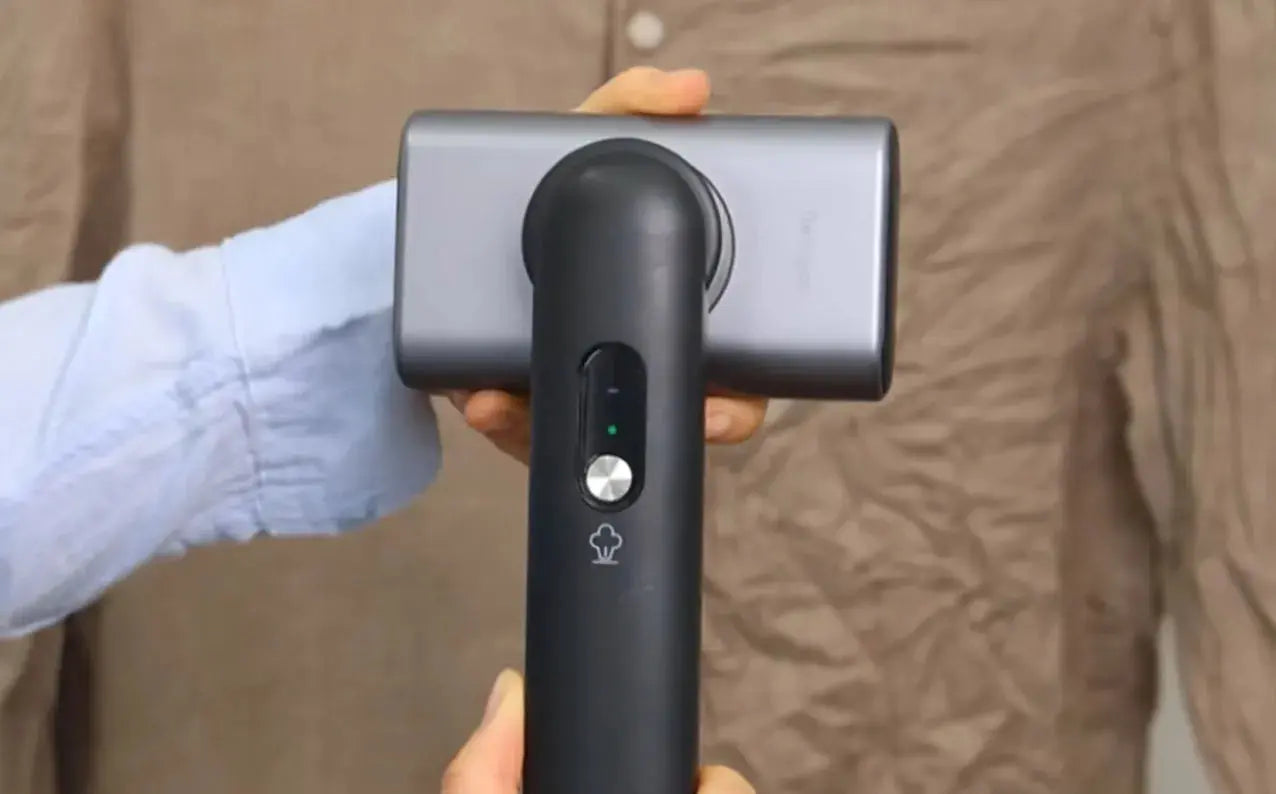
I didn't say anything and pushed the clothes steamer in the lounge over to him.
Go freshen up first.
Five minutes later, he walked back, as if a different person.
Shoulders straightened up.
Speaking also became natural.
Later that night, he performed exceptionally well.
When I was leaving work, he said to me: "Actually, it's not about the clothes—it's that I've finally stopped being so nervous."
I've always remembered this sentence.

When I was young, I made quite a few embarrassing mistakes.
Now employees always think I'm overly meticulous.
Actually, when I first started out, I was more awkward than anyone else.
One Valentine's Day, the restaurant was packed.
I ran from the hall to the kitchen, then back to the bar.
Busy until eleven p.m., the executive chef suddenly stared at me and smiled.
I looked down.
The shirt buttons were all fastened in the wrong order.
No wonder I kept feeling like my tie was crooked all night.
There was another time even more outrageous.
I wore two different-colored socks.
It wasn't until I got home and took off my shoes that my wife noticed.
She laughed so hard that tears came to her eyes.
The whole restaurant knew about it the next day.
I still suspect it was her who told everyone.
So later, when I see new people make mistakes, I rarely get angry.
Because when I was young, I wasn't much smarter than they were.
A business trip completely got rid of my old habit.
When I traveled for business, I always hoped the hotel room would have an iron.
Later it turned out that this was entirely a matter of luck.
Some hotels have everything.
Some hotels hide their power outlets as if they were part of an escape room puzzle.
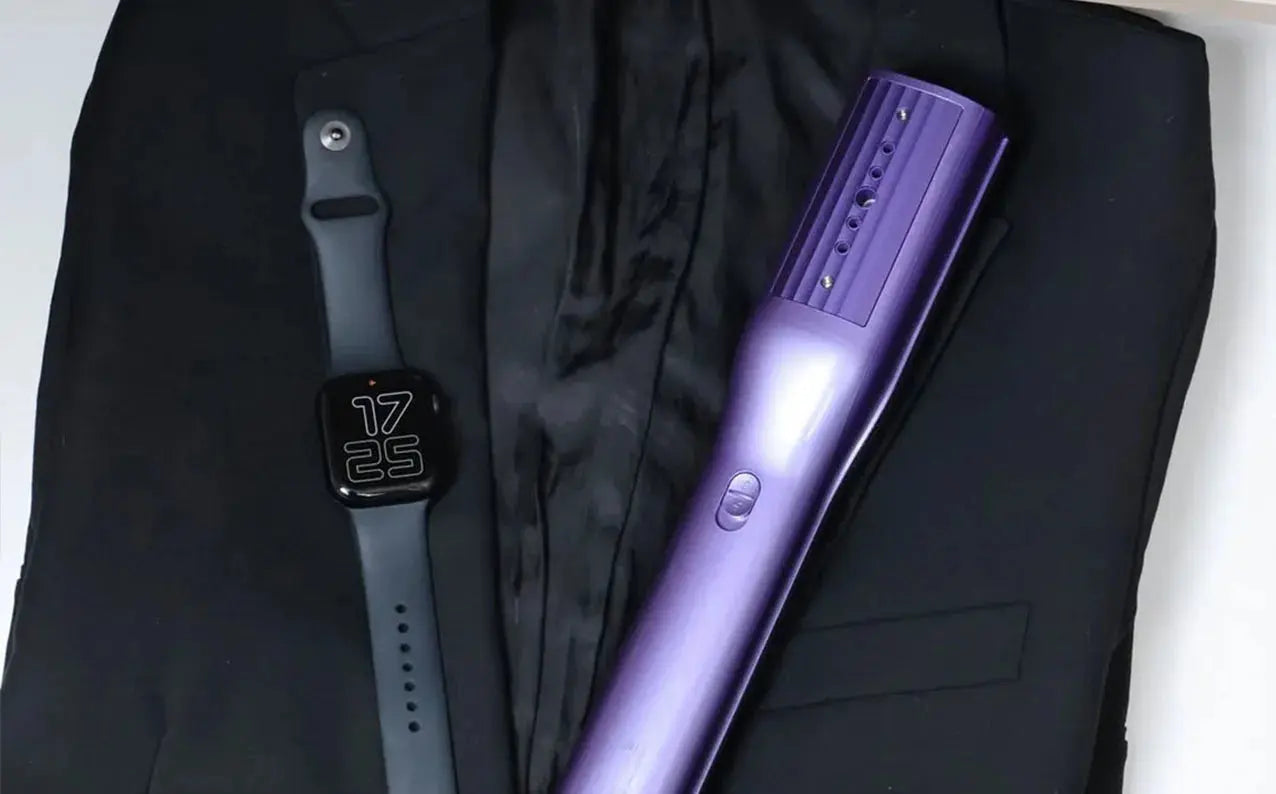
The first time I seriously used a clothes steamer was when I went to Chicago for a restaurant industry conference.
A colleague handed it to me.
He said, "Try it, don't be stubborn."
I said, "I've been using an iron for decades."
He said, "That's because you haven't tried it."
The next morning, I stood by the window, watching the taxis on the street while straightening my suit.
The whole process was so fast that I felt a bit embarrassed.
At dinner that night, I took the initiative to admit it.
Alright, this time I'll admit you won.
Everyone burst into laughter.
That's just how it is among people in the food industry.
No one will laugh at you if you lose.
Anyway, I still have to stand for over ten hours the next day.

What we talk about most has never been work.
Many people assume that when we, the restaurant managers, sit together, we must be discussing service techniques.
Actually, it's not.
Who has a backache.
Who has recently gained weight.
Which hotel has bad breakfast?
Which city has the most expensive parking fees?
These topics, on the contrary, are even more numerous.
During a conversation, a friend who has worked in hotel management for over twenty years mentioned that he recently brings Nesugar along on all his trips.
I casually asked, "Why?"
He said, "Light."
Just one word.
No one continued to ask.
Because everyone understands.
People who fly frequently dread overweight luggage the most.
We barely talked for a minute before we started arguing about which pizza in New York was the best.
This is real conversation.
No one will speak as eloquently and beautifully as an advertisement does.
The restaurant taught me not management, but observation.
The greatest reward in this line of work isn't learning how to schedule shifts or handle complaints.
but to learn how to observe.
Observe when the guest wants to chat.
When you want to eat in peace.
Observe whether your colleague is in a bad mood today.
Notice when the kitchen starts getting overwhelmed.
Even observe whether a waiter seems less confident throughout the day because their uniform is wrinkled.
Many people think these are just minor things.
A high-end restaurant is, after all, built upon countless small details.
Nothing is earth-shattering.
Yet each is indispensable.
So even today, before opening, I still walk slowly around the hall with a cup of coffee.
Some people think I'm checking.
Actually, it's not.
I just want to make sure we're ready by the time the first guest walks in.
The rest is left to the kitchen, to the team, and to that lively, bustling evening filled with warmth and the aroma of good food.