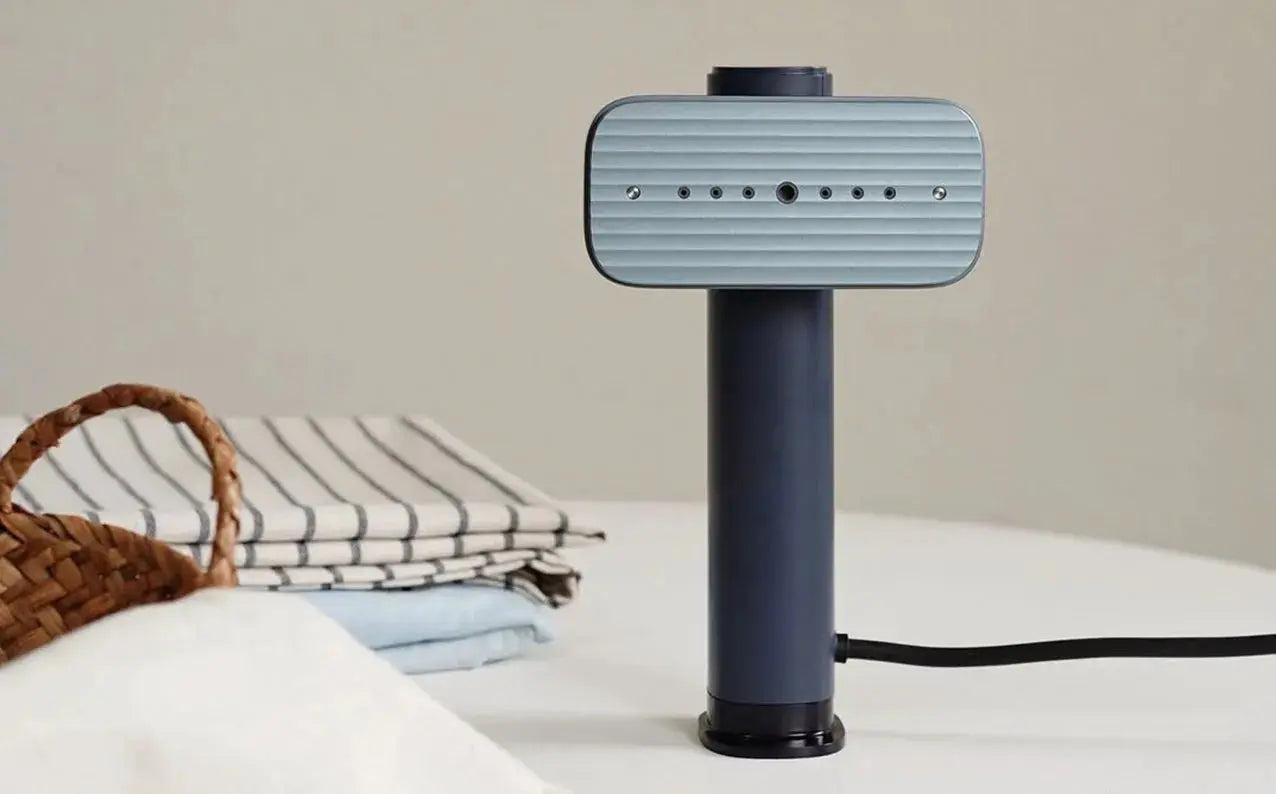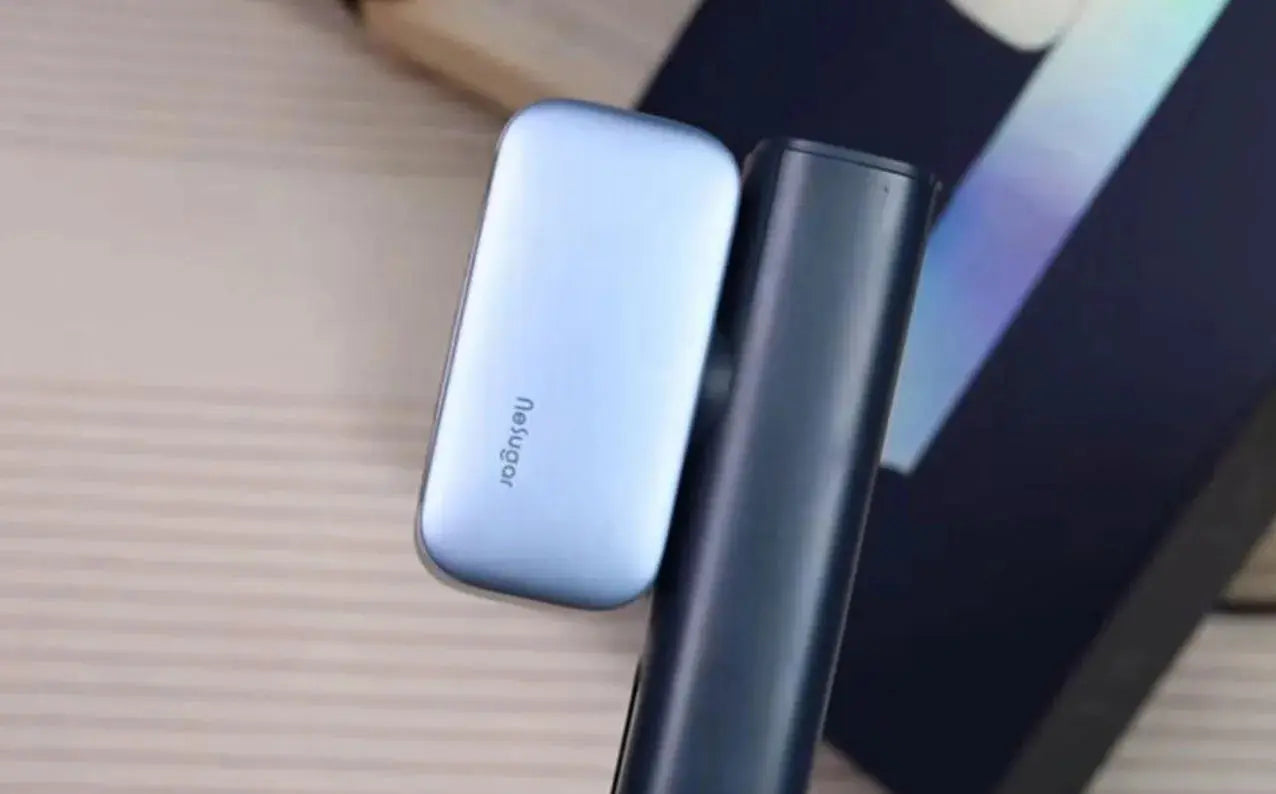

The most overlooked tool in a tour guide's luggage: Why do I always take Travel Steamer with me when I go out?
As a tour guide for over a decade, my job has been mostly spent on the road.
For more than half of the year, I have been moving between different cities - airports, hotels, scenic spots, conference centers, bus parking lots. These places make up my daily routine.
Most people's imagination of the tour guide profession is mostly limited to leading a group and giving explanations while holding a flag. However, the actual job is much more than that. A professional tour guide needs to scout the location in advance, plan the route, handle emergencies, coordinate with the driver, contact the hotel, and help tourists solve various problems.
And every day, one has to deal with various groups of people:
First-time overseas family tourists, time-pressed business groups, photography enthusiasts, retired travel groups... Each type of customer has different needs.
Under this working pace, I gradually developed a very practical travel habit:
The luggage must be simple, but every item should be truly useful.
Passport, backup mobile phone, power bank, medicine kit, folder, and a small device that many people wouldn't expect to have - a travel steamer.
Many tourists are always astonished when they see me taking the travel steamer out of my luggage for the first time.
They often ask me the same question:
"Does the tour guide need this too?"
My response is usually:
A tour guide actually needs it more than many other professions.

Why do tour guides pay special attention to the condition of clothes?
In the eyes of tourists, a tour guide might merely be a service role within the group. However, in actual work, a tour guide often assumes multiple identities:
- Trip organizer
- Cultural explainer
- Emergency Issue Coordinator
- Team Atmosphere Regulator
- Destination image representative of the destination's image
Often, the first impression that tourists have of a city actually comes from the tour guide who leads them around.
The first time I truly realized this was shortly after I started my career. That time, I received a team from Asia in Los Angeles. The flight was delayed, causing everyone to arrive at the hotel only in the early hours of the morning. And they still had to continue their journey the next day.
That morning, when I took out the shirt from the suitcase, the entire piece of clothing was so wrinkled and distorted.
There were no tools available at that time, so I could only manage to put it on roughly.
Although the trip was successfully completed, I have been feeling rather uncomfortable. It's like a chef standing in the restaurant with a dirty apron covered in grease - not impolite, but it just makes me feel lacking in professionalism.
Since then, I began to seriously consider one thing:
Image management during travel is actually part of one's profession.
Why is traveling particularly likely to cause clothes to become wrinkled?
Many people think this is just a matter of packing luggage, but in fact it is not entirely so.
During my long period of leading tours, I have identified several very practical reasons.
The luggage compartment is overly cramped.
Whether it's a tour guide or a tourist, most people will try to minimize the size of their luggage. Clothes are piled up layer upon layer and then compressed by other items. After a few hours, creases will naturally form.
Climate Change
The most distinctive feature of leading a tour group is the rapid changes in cities.
Perhaps in the morning you were in the dry Las Vegas, but by the evening you have arrived in San Francisco with high humidity. Different climates can change the state of fabric fibers, making wrinkles easier to form.
Long-term movement
The suitcase keeps moving between the airport baggage claim area, the bus compartment and the hotel corridor.
Both vibrations and compression can cause the clothes to deform.
So even if you neatly fold your clothes before departure, when you open the suitcase at the hotel, they might still look like a mass of freshly crumpled paper.

My first truly memorable experience of relying on Travel Steamer
A few years ago, I led a business delegation, and the itinerary included several formal meetings.
One of the guests' suits developed obvious creases during the flight, and the hotel provided an extremely hot iron, which made him worry it might damage the fabric.
I took out my travel steamer from my bag.
In fact, that was the first time I used it in a team setting.
A few minutes later, the creases on the shoulders and hem of the suit gradually flattened out.
That guest later said something to me:
"This item should become a standard accessory for all those who frequently travel on business."
After that experience, I became even more convinced that:
A good travel steamer is indeed very practical during the journey.
Later, I also came across similar discussions on some lifestyle websites, such as the blog nesugarlife.com, which frequently shares information about travel gear and daily life details. Many travelers first learned about this tool there.
But for me, the actual usage experience over these years is the most valuable reference.
The several practical criteria that tour guides use to select Travel Steamer
As a tour guide, I have a habit:
All the equipment must be able to withstand frequent use.
If something is only used occasionally, it is not suitable to be kept in my luggage for a long time.
After replacing the equipment several times, now when I choose a travel steamer, I usually look at several key points.
The volume must be small enough.
A tour guide is constantly on the move.
From the hotel to the attractions, then to the restaurants and the airport, one might walk several kilometers in a day. The lighter the luggage, the better.
The ideal situation is:
It can be directly placed in the side pocket of the backpack or the corner of the suitcase.
The heating speed should be fast.
The travel time is very tight.
Most of the time, I only have ten minutes to tidy up before having to go downstairs to gather the team.
If the equipment takes a long time to warm up, it is likely to be left idle.
Personally, I prefer models that can produce steam within one minute.
The capacity of the water tank should be appropriate.
This is a problem that many beginners overlook.
If the water tank is too small, it needs to be refilled repeatedly, while if it's too large, it will increase the weight.
After long-term travel, I think a capacity of around 150ml is a relatively balanced volume.
Usually, it's enough to tidy up two or three pieces of clothing.
More suitable for different fabrics
The working scenarios of tour guides are actually quite diverse:
- Formal receptions require wearing a suit.
- Wear lightweight shirts when joining the outdoor group tour.
- Occasionally, one will also prepare a coat or a scarf.
Steam is gentler than traditional irons and causes less damage to clothes.

Tips for quickly organizing your clothes in a hotel
These methods were gradually developed by me over the years when leading groups.
It's actually quite simple, but very practical.
Hang up the clothes first.
Don't lay the clothes on the bed to dry.
Hang them up so that the steam can flow naturally downwards.
Move slowly from top to bottom
Many people are accustomed to sweeping the steam back and forth.
In fact, a more effective approach is:
From the shoulders downwards, move slowly one at a time.
This way, the steam can enter the fabric more evenly.
Pull it straight gently with your hands
The other hand can gently pull the corner of the fabric to keep it smooth.
This approach will result in a significantly faster processing speed.
Give your clothes some time
Steam adds a little moisture.
After steaming the clothes, don't put them on immediately. Instead, let them hang for about two minutes to allow the fibers to reshape.
Why are more and more travelers starting to use Travel Steamer?
Over the past few years as a tour guide, I have clearly noticed a change.
Previously, only business travelers used travel steamers.
Nowadays, many ordinary tourists have also started to carry them.
The reason is actually quite simple.
Travel photos are becoming increasingly important.
Nowadays, many people enjoy documenting their travel experiences.
Whether it's taking family photos or documenting cities, a neat outfit will make the scene look more natural.
Luggage is becoming increasingly streamlined.
Many people have started to reduce the number of clothes they carry and instead, they choose to reuse what they already have by mixing and matching.
In this situation, maintaining the condition of the clothes becomes even more important.
The hotel facilities may not always be reliable.
Not every hotel provides a reliable iron.
Sometimes it takes twenty minutes for the room service to deliver the equipment, but a travel steamer can be used at any time.
A tour guide's travel habits
Over the years, leading tours has taught me one important thing:
The truly mature way of traveling is to reduce the burden rather than increase the equipment.
My luggage always remains simple:
- Necessary documents
- Basic electronic equipment
- Several durable pieces of clothing
- A few truly useful small tools
The "travel steamer" is one of them.
It won't alter your travel itinerary or make your flight tickets cheaper. But it can help you maintain a calm state of mind during your journey.
Every morning, after getting dressed, I walk out of the hotel lobby and greet the new city. That feeling is actually quite subtle.
The journey itself is already rich enough, but some seemingly insignificant details often determine whether the trip is comfortable or not.
After leading tours for many years, I have come to believe more and more firmly that this is true:
A good trip is not about bringing more things, but about bringing the right things.