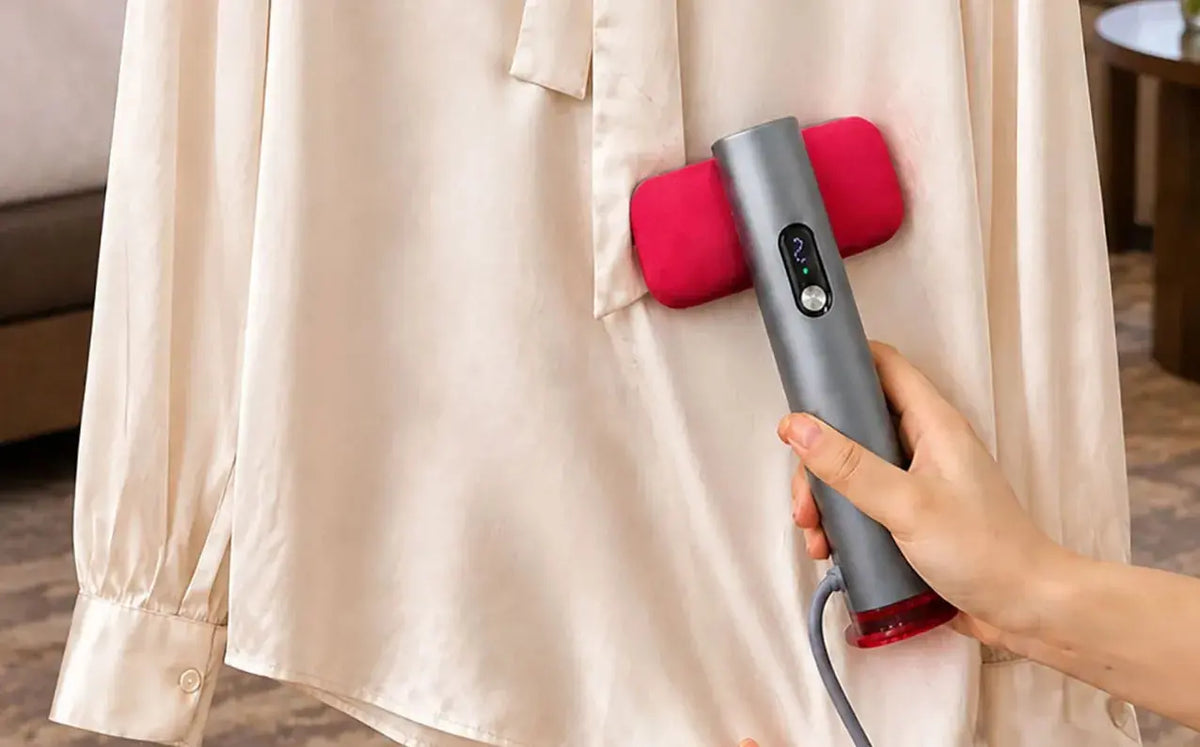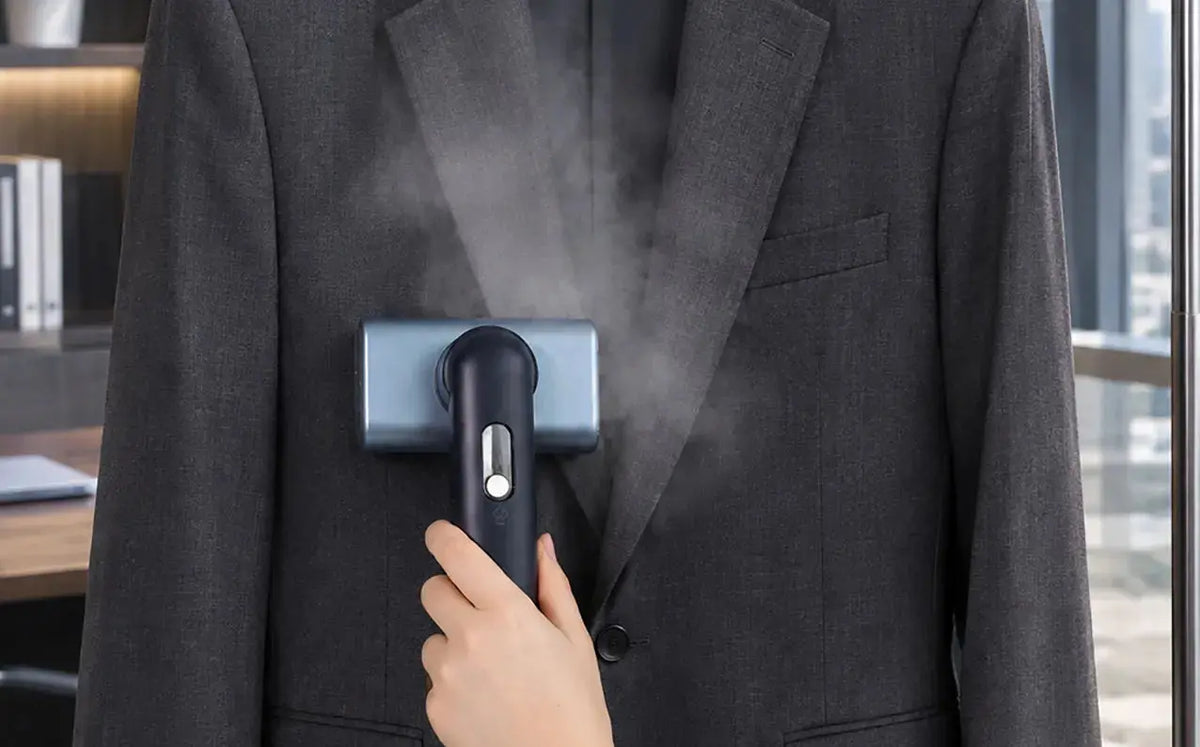

Best Clothes Steamer for Your Needs: What’s Actually Worth Buying?
You’re getting ready for work, pull a shirt out of the closet, and spot a crease right across the front. You don’t have time to set up an ironing board. You just want your clothes to look presentable and get on with your day.
That’s where a clothes steamer comes in.
But not every steamer is worth the same price. Some are designed for quick touch-ups and travel. Others offer more settings or extra features for people who want more control over garment care.
So, what should you actually look for? And is it worth spending more?
The answer depends on how often you steam your clothes, what you wear, and where you plan to use the appliance. Here’s how to compare the features that matter—and how three NESUGAR models stack up on paper.

What to Look for in a Clothes Steamer
A long list of specs can make a simple purchase feel complicated. Start with five things: heat-up time, steam performance, weight, water tank capacity, and maintenance.
1. Heat-Up Time: Less Waiting, Faster Touch-Ups
If you usually notice wrinkles five minutes before heading out, a steamer that heats up quickly can make your morning easier.
Some portable models advertise heat-up times of around 15–30 seconds, though actual performance varies by product and operating conditions. Check the manufacturer's specifications rather than assuming all handheld steamers work at the same speed.
Keep in mind that heat-up time is only one part of the equation. A steamer also needs to deliver usable steam and feel comfortable in your hand. Getting ready faster matters more than a number on the box.
2. Steam Performance: Don't Shop by Wattage Alone
A higher wattage rating doesn't automatically mean a steamer will work better on every garment.
Steam delivery, temperature control, the design of the steam head, and the type of fabric all affect results. A model that works well for a lightweight blouse may not be the right choice for heavier material.
Think about what’s actually hanging in your closet. If you mainly wear T-shirts, work shirts, and dresses, a handheld steamer may cover your usual needs. If you plan to steam heavier fabrics, check the manufacturer's guidance before buying.
3. Weight and Grip: Especially Important for Travel
A lightweight steamer is easier to pack, but weight matters at home, too. Holding an appliance above a garment for several minutes can become tiring if the grip or balance isn't comfortable.
For quick touch-ups, a compact model may be all you need. If you regularly steam several outfits in one go, pay attention to how easy the steamer is to hold and maneuver.
Don't focus on weight alone. Check the overall dimensions, too, especially if you want to fit the steamer into a carry-on or overnight bag.
4. Water Tank Capacity: How Much Do You Need to Steam?
A smaller tank can help keep a steamer compact and lightweight. The trade-off is that you may need to refill it more often.
If you usually steam one shirt before work, a small tank may be perfectly practical. If you tend to prepare several outfits at once, look for the tank capacity and continuous steaming time in the product specifications.
The goal isn't to buy the biggest tank available. It's to find one that fits the way you use your steamer.
5. Maintenance and Safety: Check the Details
Before buying, take a minute to review the cleaning instructions, warranty, and recommended water type, if specified.
Some steamers require periodic descaling or other routine maintenance. Knowing what’s involved can help you avoid surprises later.
Always follow the manufacturer's operating instructions, check garment care labels, and keep your hands away from hot steam. Steam can cause serious burns, so let the appliance cool completely before storing it.
Which Type of Clothes Steamer Makes Sense for You?
The best clothes steamer isn't necessarily the one with the most features. It's the one that fits your routine without making you pay for extras you won't use.
For Everyday Wrinkles: Keep It Simple
If you're mostly steaming work shirts, T-shirts, dresses, and other lightweight garments, start with the basics.
Look for easy controls, comfortable handling, and steam performance suited to your wardrobe. You may not need multiple settings or specialized features for occasional touch-ups.
A simple question can help narrow your options: Will this make it easier to get your clothes ready before work or heading out? If the answer is yes, you may not need to spend more.
For Travel: Check Weight and Voltage
A suitcase can leave clothes looking creased even when you packed them carefully. A portable clothes steamer can help with touch-ups in a hotel room or before a meeting.
If you travel internationally, voltage compatibility deserves extra attention. A steamer rated for 100–240V input can support a range of electrical systems, provided you follow the manufacturer's instructions. You may still need a plug adapter for the destination's outlet type.
One important distinction: a plug adapter changes the plug connection, not the voltage. Check the product's rating before plugging it in abroad.
For frequent travelers, a lightweight design and compatible voltage may be more useful than a long list of extra settings.
For Several Outfits: Think About Refills and Comfort
If you regularly steam multiple garments in one session, a tiny water tank may get frustrating fast.
Compare tank capacity and continuous steaming time, then consider how the appliance feels in your hand. A steamer that is easy to maneuver can make a longer session less of a chore.
You don't necessarily need the most advanced model. You need one that can handle the amount of clothing you typically steam.
For More Control: Decide Whether Extra Features Are Worth It
Some models offer multiple steam settings or additional features designed to give users more control over garment care.
Those features may be useful if you want more options when steaming different garments. But extra functionality only adds value when it serves a purpose in your routine.
Before paying more, check what each feature does, how it should be used, and whether it's relevant to the clothes you own.

NESUGAR G2 Pro vs. G5 Pro vs. G12 Pro Max
NESUGAR offers several clothes steamers with different feature sets. The G2 Pro emphasizes a lightweight design, the G5 Pro adds two steam settings, and the G12 Pro Max includes vacuum suction and three steam settings, according to the product information provided by the brand.
Here's what to consider when comparing them.
NESUGAR G2 Pro: For Shoppers Who Prioritize Portability
At approximately 0.8 pounds, the NESUGAR G2 Pro is the lightest of these three models based on the specifications provided.
That makes weight a natural starting point if you're shopping for a travel steamer or simply don't want a bulky appliance taking up space. The brand also lists 100–240V input, which may be useful for international travel when used according to the product instructions.
Before buying, check the current listing for dimensions, plug requirements, included accessories, and warranty details.
Worth considering if: You want to keep your travel gear light and prefer a straightforward option.
Check before you buy: Overall size, voltage compatibility, current price, and what's included in the box.
NESUGAR G5 Pro: For Home and Travel
The NESUGAR G5 Pro weighs approximately 1.1 pounds and offers two steam settings, according to the brand's product information. It also supports dual voltage.
If you want one steamer for occasional trips and everyday use at home, these are useful details to compare. The two settings may offer more flexibility than a single-setting design, but it's worth checking the product specifications to understand how each setting works.
Also look at tank capacity, continuous steaming time, and warranty coverage. Those details will help you decide whether the G5 Pro fits your routine better than a smaller, simpler model.
Worth considering if: You want to compare a lightweight steamer with more than one steam setting.
Check before you buy: How the settings differ, water capacity, operating time, and total cost.
NESUGAR G12 Pro Max: For Shoppers Interested in Extra Features
The NESUGAR G12 Pro Max includes vacuum suction and three steam settings, according to the brand's product information.
Those features set it apart from the G2 Pro and G5 Pro. Whether they justify the price depends on what you want from a steamer and how often you'll use the added functionality.
If your routine involves nothing more than smoothing out a shirt now and then, you may be better served by a simpler option. If you want additional operating features, read the product details carefully to understand how the vacuum function works and what each setting is designed to do.
Worth considering if: You're specifically interested in additional features and more steam-setting options.
Check before you buy: The intended benefits of vacuum suction, operating instructions, maintenance requirements, and current price.
Quick Comparison
|
Feature |
G2 Pro |
G5 Pro |
G12 Pro Max |
|
Listed weight |
Approx. 0.8 lb |
Approx. 1.1 lb |
Check current listing |
|
Steam settings |
Check current listing |
2 |
3 |
|
Voltage |
100–240V listed |
Dual voltage listed |
Check current listing |
|
Additional feature |
— |
— |
Vacuum suction |
|
Main consideration |
Portability |
Two steam settings and travel flexibility |
Additional features |
Specifications can change, so confirm the details on the current product pages before purchasing.
You can compare the available models in the NESUGAR Clothes Steamer Collection.

How Much Should You Spend on a Clothes Steamer?
Before looking at price, decide what you need the steamer to do.
If you mainly smooth out one or two shirts before work, you may not need a model with several settings or extra features. If you travel internationally, dual-voltage support could be a more meaningful reason to spend a little more.
Use this checklist to compare your options:
|
If You Care Most About... |
Prioritize... |
|
Keeping costs down |
Essential functions and ease of use |
|
Quick morning touch-ups |
Heat-up time and comfortable handling |
|
International travel |
Weight, dimensions, and voltage compatibility |
|
Steaming several garments |
Water tank capacity and continuous steaming time |
|
More functionality |
Features you'll use regularly |
Remember to consider the full purchase, not just the advertised price. Warranty terms, included accessories, and maintenance requirements can affect overall value.
The bottom line? Don't pay for a feature just because it sounds impressive. Pay for it because it solves a problem you actually have.
Five Clothes Steamer Buying Mistakes to Avoid
A few easy-to-miss details can make the difference between a useful purchase and an appliance that spends most of its time in a drawer.
1. Choosing by price alone
The cheapest model isn't always the best value. Compare the specifications and warranty, and make sure the steamer suits the clothes you plan to use it on.
2. Ignoring water tank capacity
If you steam several garments at once, frequent refills can interrupt your routine. Match the tank capacity to the amount of clothing you usually handle.
3. Forgetting about voltage when traveling
Check the rated input voltage before using a steamer abroad. A plug adapter alone won't convert voltage.
4. Assuming every fabric can be steamed the same way
Check the garment's care label and follow the manufacturer's instructions. Some materials require special handling or may not be suitable for steaming.
5. Paying for features you won't use
More settings aren't automatically better. If you only need quick touch-ups, a simpler model may be all you need.
How to Get Better Results From Your Clothes Steamer
You don't need a complicated routine to get started. A few basic habits can help you steam more effectively while taking care of your clothes.
-
Hang the garment securely. Use a sturdy hanger and leave enough room to move the steamer around the fabric.
-
Follow the recommended technique. Hold the fabric as directed and use steady movements rather than lingering in one spot.
-
Check the care label first. Make sure steaming is appropriate for the garment.
-
Give clothes time to dry. Let them dry completely before wearing or putting them away.
-
Clean the steamer as directed. Empty the tank after use when recommended and follow the manufacturer's cleaning instructions.
- Handle hot steam carefully. Never direct steam toward your body, and let the appliance cool before storing it.
These steps are simple, but they're worth following every time you use the appliance.
Which NESUGAR Clothes Steamer Should You Choose?
If you're down to these three models, start with the feature that matters most to you.
-
G2 Pro: Start here if keeping weight down is your main concern.
-
G5 Pro: Compare this model if you want two steam settings and a steamer for both home and travel.
- G12 Pro Max: Take a closer look if vacuum suction and three steam settings appeal to you.
These are practical starting points, not a universal ranking. The right choice depends on the current specifications, price, warranty, and how you'll use the steamer.
Check the NESUGAR Clothes Steamer Collection for current product details before making your decision.
Ultimately, the best clothes steamer for the money is the one that fits your routine, handles the garments you own, and doesn't charge you for extras you'll rarely use.
Frequently Asked Questions
What Is the Best Clothes Steamer for the Money?
Look for a model that covers your main needs at a price you're comfortable with. Heat-up time, tank capacity, ease of handling, and warranty are useful comparison points. The most expensive model isn't automatically the best value.
Are Portable Clothes Steamers Good for Everyday Use?
They can be a practical choice for everyday touch-ups on suitable garments, including many shirts, T-shirts, and dresses. Results depend on the steamer, the fabric, and the type of wrinkles.
Do You Need a Dual-Voltage Clothes Steamer for International Travel?
If you plan to use your steamer in countries with different electrical standards, dual-voltage support can be useful. Check the rated input voltage and plug requirements for your destination. A plug adapter does not convert voltage.
How Can You Make a Clothes Steamer Last Longer?
Follow the manufacturer's cleaning instructions, use the recommended water type if one is specified, and store the appliance as directed. Regular maintenance helps you care for the appliance properly.
How Do You Choose Between the NESUGAR G2 Pro, G5 Pro, and G12 Pro Max?
Compare the features that matter most to you. The G2 Pro is worth considering for its listed lightweight design, the G5 Pro offers two steam settings and dual-voltage support, and the G12 Pro Max adds vacuum suction and three steam settings. Verify the latest specifications and pricing before you buy.