
Clothing Steamer: How to Steam Different Fabrics the Right Way
I used to think wrinkles were a pretty minor problem.
Then one morning, I was getting ready to head out and noticed that my freshly washed shirt looked like it had spent the night wrestling around inside a suitcase.
That was when I started paying a lot more attention to my clothing steamer.
After using one for a while, I realized that the biggest benefit of a garment steamer isn't just getting rid of wrinkles. It's being able to quickly freshen up and smooth out different types of clothing without putting too much stress on the fabric.
There's just one thing that's easy to overlook:
Not every fabric should be steamed in exactly the same way.

How Does a Clothing Fabric Steamer Work?
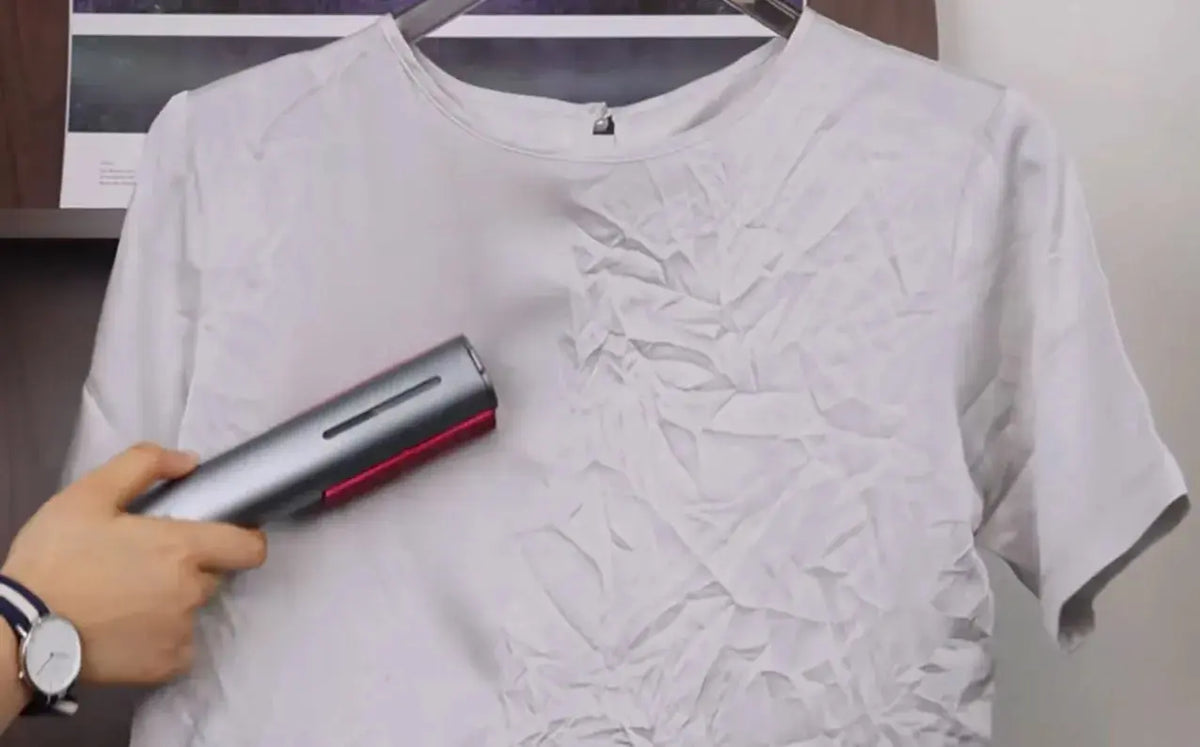
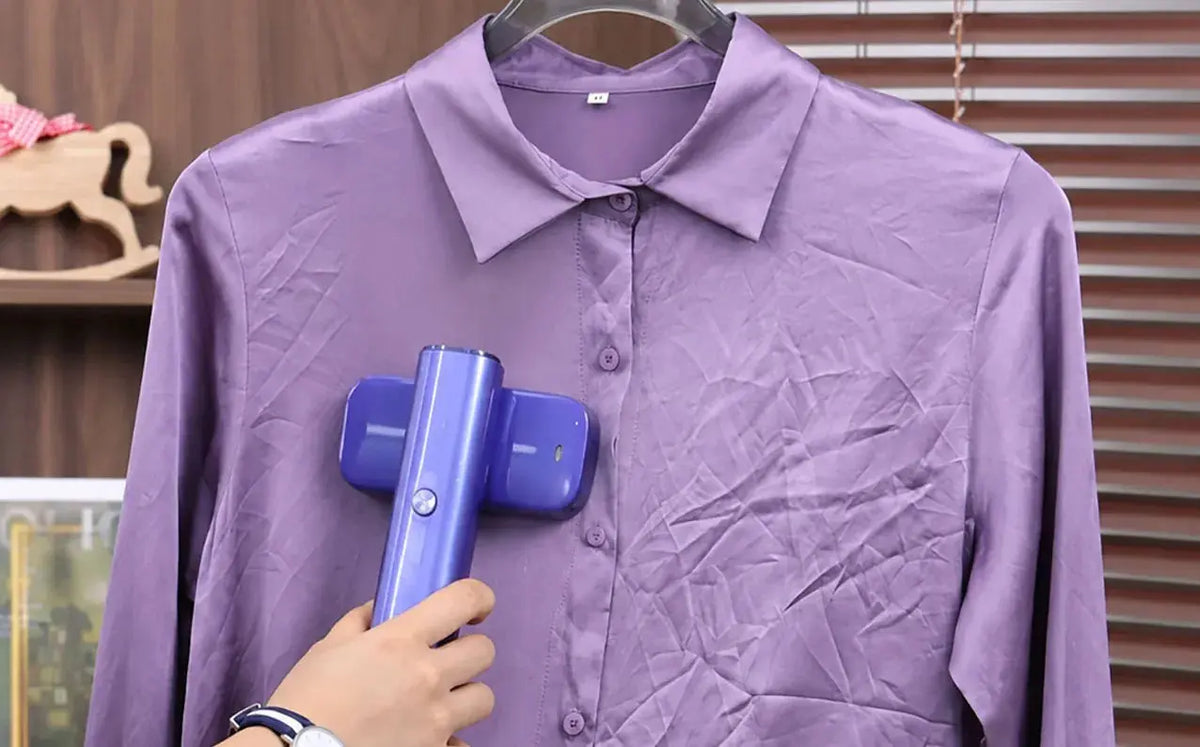
A clothing steamer heats water to produce steam, which is then directed onto the fabric.
The heat and moisture help relax the fibers, making it easier for wrinkles and creases to come out.
That's also why steam works especially well on clothes while they're hanging.
I use mine most often on shirts, dresses, linen clothing, jackets, and anything that comes out of a suitcase looking like it was compressed for shipping.
And honestly, some of those travel wrinkles are impressive.
A shirt can spend a few hours packed in a suitcase and come out looking like it has a completely different personality.
That's where a steamer comes in handy.
Which Fabrics Work Well With a Clothing Fabric Steamer?
1. Cotton
Cotton is usually one of the easiest fabrics to freshen up with steam.
T-shirts, shirts, dresses, and other Most cotton garments can be steamed without much trouble, as long as the care label allows it.
If the wrinkles are more noticeable, I usually hang the garment up and slowly move the steamer from top to bottom.
Don't rush it.
Steaming clothes isn't a race.
2. Linen
Linen is one of my favorite fabrics to steam.
It's also one of the fabrics most likely to develop wrinkles.
A linen shirt can look perfectly neat in the morning and somehow develop its own collection of natural creases by the afternoon.
Steam can help relax the linen fibers and make the garment look smoother while still keeping some of that natural linen texture.
For heavier linen, I usually work in sections.
The thicker the fabric, the more patience it tends to need.
3. Polyester
Polyester is everywhere in everyday clothing.
Shirts, dresses, uniforms, athletic wear, jackets, and countless blended fabrics may contain polyester.
For everyday wrinkle removal, polyester garments are often pretty easy to steam.
That said, I wouldn't see the word "Polyester" on a care label and assume every polyester garment should be steamed in exactly the same way.
The fabric's weight, construction, color, and any special finishes can all affect how it responds to steam.
That's why I always treat the care label as the first point of reference.
4. Wool
Wool can also respond well to gentle steaming.
Think sweaters, wool coats, and other wool pieces that need a quick refresh.
When steaming wool, I keep the steamer moving instead of holding it in one spot for too long.
The goal is to help the fibers relax, not to expose one area of the garment to concentrated heat for an extended period.
5. Silk
Silk is where I slow down and pay extra attention.
When I see "Silk" on a garment, my first instinct isn't to turn on the steamer. I check the care label first.
If the label allows steaming, I'll test a small, less noticeable area before treating the entire garment.
I also use a gentler approach and keep the steam moving.
Dark-colored silk, specially dyed fabrics, and garments with delicate embellishments deserve even more caution.
If the care label specifically says not to steam the garment, I don't.
The clothing isn't going to change its mind just because I'm feeling confident that day.

How to Use a Clothing Fabric Steamer Properly
After using a steamer for a while, I've settled into a pretty simple routine.
Step 1: Check the Care Label First
This is the step I never skip.
Just because a fabric can generally be steamed doesn't mean every garment made from it should be treated the same way.
The care instructions for the specific garment should always come first.
Step 2: Hang the Garment Vertically
Hang the garment up and let it hang naturally.
This makes it much easier to work out wrinkles while allowing the steam to reach the fabric evenly.
Step 3: Start at the Top and Work Your Way Down
I usually start around the shoulders and collar area, then work my way down.
For a shirt, I'll go over the front, back, and sleeves.
For a dress, I work through each section according to the shape and construction of the garment.
Step 4: Don't Hold the Steamer in One Spot for Too Long
This is one of the easiest mistakes to make when you're new to steaming clothes.
You see a stubborn wrinkle and immediately think:
"I'll just hold the steam here for a few more seconds."
There's usually no need.
Keeping the steamer moving and making another pass when necessary is generally a better approach than concentrating heat and steam on one small area for too long.
Step 5: Let the Garment Hang After Steaming
I usually don't put freshly steamed clothes straight back into the closet.
Letting them hang for a little while gives the fabric time to settle and lets any remaining moisture dry out.
When Is a Clothing Steamer Most Useful?
For me, the biggest advantage of a steamer shows up in everyday situations.
Before Heading Out in the Morning
You've got ten minutes before you have to leave, and then you notice a few very obvious wrinkles on your shirt.
A quick steaming session can be much easier than changing your entire outfit.
After Traveling
This is one of my favorite reasons to keep a portable steamer around.
Clothes can get seriously compressed during a trip. Even if everything looked perfectly neat when you packed it, your clothes may come out of the suitcase looking considerably less impressive.
At a hotel, I can hang everything up and quickly steam the pieces I actually plan to wear.
It's simple and convenient.
Before a Formal Event
Whether you're going to a wedding, business meeting, dinner, or another occasion where you want to look put together, wrinkled clothing can make an otherwise good outfit look unfinished.
A quick steam can help freshen things up before you head out.
When Clothes Need a Quick Refresh
Sometimes a garment isn't dirty. It has simply been sitting in the closet and picked up a few wrinkles.
In that situation, I prefer giving it a quick steam rather than washing the entire garment again.

What I Look for When Choosing a Clothing Fabric Steamer
If you're shopping for a clothing steamer, I think a few practical details matter more than having the most impressive-looking specifications on the box.
Heat-up time matters because it determines how quickly you can actually start steaming.
Especially in the morning, nobody wants to stand there watching a machine slowly contemplate the meaning of life.
Consistent steam output matters, too.
A steady flow of steam is generally easier to control and makes it easier to work with different types of clothing.
Then there's water tank capacity.
If you're only steaming one or two garments at a time, a smaller tank may be perfectly fine. If you're steaming several pieces at once, a larger tank can save you from stopping every few minutes to refill it.
If I were choosing one specifically for travel, I'd also look at:
- Weight
- Overall size
- Water tank capacity
- Storage convenience
- Travel-friendly design
- Voltage compatibility
Because when you're traveling, somehow every extra ounce suddenly feels personally offensive.
The One Rule I Always Keep in Mind
After using a clothing steamer for a while, I've realized that the most important thing isn't memorizing a list of which fabrics can and can't be steamed.
The rule I actually follow is much simpler:
Check the care label first, then adjust your technique based on the fabric and the garment you're actually steaming.
Cotton, linen, polyester, wool, and silk don't all respond to steam in exactly the same way.
Fabric thickness, color, weave, embellishments, and surface treatments can also affect the result.
So instead of asking:
"Can this fabric be steamed?"
I think it's more useful to ask:
"How should this particular garment be steamed?"
Once you start thinking that way, a clothing fabric steamer becomes more than just a wrinkle-removal tool.
For me, it's become part of everyday clothing care.
It helps freshly washed clothes look put together again, brings travel-wrinkled clothes back to life, and gives some of the pieces I might otherwise skip wearing another chance to make it into the rotation.
At the end of the day, your clothes don't have to look like they were just unpacked from a brand-new box.
Clean, smooth, and comfortable is usually more than enough to make the whole day look a little better.