
How to Get Wrinkles Out of Clothes After Travel: Is a Clothing Steamer Worth It?
I fold my shirts before a trip, but after a flight, some of them come out looking like I barely bothered to fold them at all. On vacation, a wrinkled shirt is mostly an annoyance. Before a client meeting, though, it's one more thing to deal with when I'd rather be getting ready.
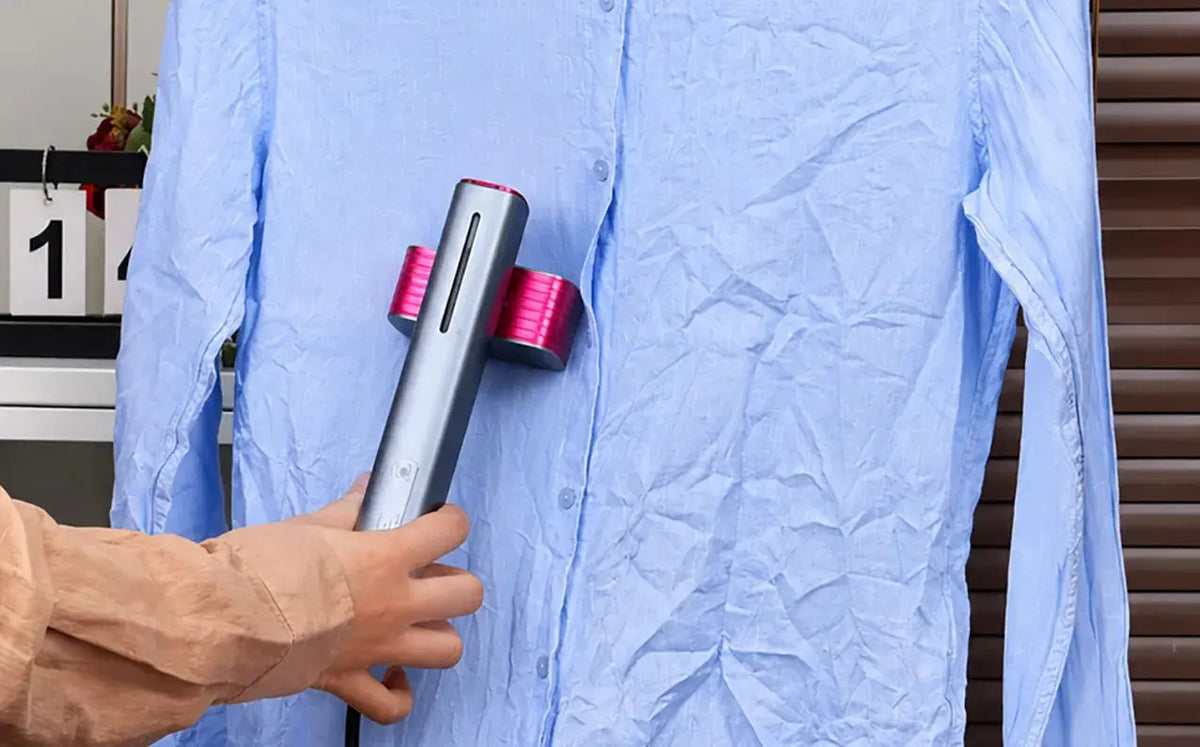
A handheld clothing steamer gives me a way to deal with those creases after I've unpacked. I can hang up the shirt I planned to wear and focus on the wrinkles that show most, rather than trying to smooth every inch of fabric.
A steamer won't erase every crease. Thick cotton or linen may need several passes, while silk and other delicate fabrics call for more caution. Still, for everyday travel clothes, it can make a noticeable difference.
Here's how to get wrinkles out of clothes after travel, how to handle different fabrics, and what to look for if you're considering a travel steamer.

Why Do Clothes Get Wrinkled in a Suitcase?
Even carefully folded clothes can look rumpled after a flight or a long drive. They're pressed against other items, shifted around, and often left folded for hours.
A few common packing habits make the problem worse:
-
Packing too tightly: When clothes are squeezed together, they have little room to move without developing creases.
-
Placing heavy items on top: A pair of shoes or a packed toiletry bag can press hard folds into a shirt, especially when it's tucked underneath them.
-
Letting clothes slide around: Clothes can shift out of place every time you lift, tilt, or turn your suitcase.
- Leaving garments folded for too long: Creases can become harder to smooth when clothing stays in the same folded position throughout a long journey.
Fabric makes a difference, too. Cotton shirts often pick up creases across the chest and sleeves, while linen can look rumpled after very little handling. Polyester usually travels better, although it can still develop folds when packed tightly.
Steam can soften many of these creases, but the results depend on the fabric, how deeply it's wrinkled, and the steamer you're using.
Can a Clothing Steamer Remove Suitcase Wrinkles?
A clothing steamer can soften many of the creases that form in a suitcase, especially on shirts, blouses, dresses, and lightweight trousers.
Steam helps the fabric relax, and hanging the garment gives the loosened material room to fall into shape as you work.
A lightweight blouse may smooth out quickly. A thick linen shirt with deep folds from being packed under heavier clothes will probably take longer. Some stubborn creases may not disappear completely, even after careful steaming.
For everyday travel clothes, though, a steamer can make an outfit look noticeably neater. That's often all you need before heading to a meeting, going out to dinner, or starting a day of sightseeing.
How to Get Suitcase Wrinkles Out With a Clothing Steamer
In a hotel room, I usually start with a sturdy hanger and enough space to move around the garment. You don't need a complicated setup, but a little room makes the job easier.
1. Hang Up the Garment
Take your clothes out of the suitcase and hang the item you want to steam. Give it enough room to hang freely instead of leaving it pressed against other clothes.
If the room is tight on space, the closet rod may be your best option. Keep the garment clear of walls, furniture, and other surfaces that shouldn't get damp or hot.
2. Check the Care Label
Different fabrics respond differently to heat and moisture. Before steaming, check the garment's care label and follow any restrictions.
If you're unsure how a garment will react, test a hidden area first, especially with delicate fabrics, dark colors, or garments with special finishes.
If the care label says not to steam the item, use the recommended cleaning method instead of experimenting.
3. Fill the Tank and Let the Steamer Heat Up
Use the type of water recommended in the manufacturer's instructions, and don't fill the tank beyond its marked limit.
Wait until the steamer is ready before working on your clothes. Before you start on the garment, direct a short burst of steam away from yourself to make sure the device is working as expected.
4. Steam From Top to Bottom
Start at the collar and shoulders, then work your way down the shirt or dress. Slow, even passes are usually more useful than quickly going over the same crease again and again.
Follow the instructions for your particular steamer. Some models are designed to work close to or directly against certain fabrics, while others require a little distance.
If a crease remains, pause and let the fabric relax before deciding whether it needs another pass. More steam isn't always the answer.
5. Let the Clothes Dry
A shirt can look smooth while still feeling slightly damp. Give it time to dry completely before wearing it or packing it away.
If you have an early meeting, steaming your shirt the night before gives it time to dry and saves you one more job in the morning.

How to Steam Different Fabrics
Before steaming everything in your suitcase the same way, consider what each fabric can handle.
Cotton Shirts
On a cotton button-down, I'd check the chest, sleeves, and cuffs first, since those areas tend to show packing creases clearly.
Hang the shirt and work downward from the shoulders. Pay attention to the collar and button placket, too. Wrinkles in these areas can stand out even when the rest of the shirt looks fine.
Thicker cotton may need several slow passes. Check the result as you go instead of repeatedly steaming the same spot.
Linen Clothing
Linen rarely stays perfectly smooth for long. After steaming, it may look tidier, but a few soft creases are normal.
Focus on the deepest folds rather than trying to make every part of the garment completely flat. If you're packing linen for a warm-weather trip, a quick touch-up after unpacking can help it look more presentable without removing its natural texture.
Polyester and Other Synthetic Fabrics
Polyester generally resists wrinkles better than cotton or linen, so it may need less attention after a journey.
If a polyester shirt has only a few shallow creases, start with one light pass on the recommended setting. Check the fabric before deciding whether it needs more.
Avoid assuming that the highest heat setting will work fastest. Some synthetic materials can be damaged by excessive heat or develop shiny marks.
Wool and Wool Blends
Wool jackets, trousers, and sweaters need a gentler approach. Light steaming may help relax fold lines, provided the care label allows it.
Avoid pressing down on the fabric, which can flatten its texture. For a tailored wool jacket, I'd check the care label and manufacturer guidance before using steam, particularly around the shoulders and lapels.
If you're unsure how an expensive garment will react, professional garment care may be the safer option.
Silk and Delicate Fabrics
Silk deserves extra caution because heat and moisture can affect the finish of some garments.
If steaming is allowed, use the gentlest setting recommended for the garment and test a hidden area first. If the care label doesn't clearly allow steaming, use the cleaning method recommended for that garment instead.
Which Parts of Your Clothes Should You Steam First?
If you're getting ready in a hurry, don't spend time steaming parts of your outfit that already look fine. Start with the creases that are easiest to see.
Collar and cuffs: These details are especially noticeable on button-down shirts. Smooth them carefully without stretching the fabric.
-
Front of the shirt: Creases around the buttons can make an otherwise neat shirt look untidy.
-
Sleeves: Folds around the elbows and forearms often appear after clothes have been packed tightly.
-
Trouser legs: Hang trousers securely and work down each leg, paying attention to horizontal creases.
- Dress hems: Let the skirt hang freely and work toward the hem to soften folds left by packing.
If you're preparing for a meeting, start with the collar, shirt front, and sleeves. These areas can make the outfit look much neater, even if you don't have time to deal with every small wrinkle.

What to Look for in a Travel Clothing Steamer
A travel steamer needs to earn its place in your suitcase. If it's compact but struggles with the shirts you actually wear, the smaller size won't matter much.
Size and Weight
Your steamer should fit comfortably in your luggage without taking up space you need for clothes or other essentials.
For a weekend trip with one or two shirts, a compact model may be enough. If you're traveling for work for a week or longer, consider whether it can handle several garments without becoming a hassle to use.
Consistent Steam Output
If you mostly pack lightweight shirts, your needs may be different from someone who travels with thick cotton trousers or linen jackets. Choose a model that suits the fabrics you actually wear.
A fast heat-up is convenient, but it won't help much if the steam weakens halfway through a shirt. Consistent output can matter more than a quick start when you have several garments to freshen up.
More steam isn't automatically better, either. The goal is to smooth the fabric effectively without exposing delicate clothes to unnecessary heat or moisture.
Water Tank Capacity
For one or two shirts, a smaller tank may be perfectly adequate. If you plan to freshen up several outfits in one sitting, you'll probably appreciate having more water available.
Think about how much clothing you typically steam rather than choosing the largest tank by default.
Heat-Up Time
A fast heat-up time is handy when you're trying to get ready before breakfast or head out for a meeting.
Still, speed isn't everything. Comfortable handling, steady steam, and simple controls all matter when you're using the device in an unfamiliar hotel room.
Voltage Compatibility
If you travel internationally, check the steamer's voltage requirements before packing it. Not every model supports both 120V and 220–240V power systems.
Remember that a plug adapter only changes the connection, not the voltage. Check the steamer's rated input before plugging it in abroad.
Safety and Ease of Use
Look for clear instructions, a comfortable grip, and useful safety features, such as automatic shutoff if the model includes it.
Steam can cause burns, so keep your hands away from the outlet and never direct steam toward your body. Follow the manufacturer's guidance when filling, operating, and storing the device.
Before buying one, picture your next trip: how many garments will need attention, how much room can you spare, and will you use the steamer often enough to make carrying it worthwhile?
How to Prevent Suitcase Wrinkles Before You Leave
The easiest wrinkle to deal with is the one you avoid creating in the first place. A little care while packing can reduce the amount of steaming you'll need at the hotel.
-
Avoid overpacking. Squeezing too many items into a suitcase puts extra pressure on clothing.
-
Fold clothes carefully. Align folds with natural seams where possible instead of creating sharp creases across the middle of a garment.
-
Use packing cubes sensibly. They can keep clothes organized, but compressing them too tightly can leave garments badly wrinkled.
-
Separate heavy items from delicate clothes. Try not to place shoes or bulky accessories directly on top of lightweight shirts or blouses.
- Unpack when you arrive. Hang shirts, dresses, and trousers as soon as you can instead of leaving them folded overnight.
If you're bringing a shirt for an important meeting, give it a sensible spot in your suitcase rather than wedging it beneath heavier items. You may still find a few creases when you unpack, but they should be easier to deal with if your clothes haven't been squeezed into every spare inch of the suitcase.
Common Mistakes When Using a Clothing Steamer
If steaming doesn't seem to be helping, the problem may be how you're using it—or whether the fabric is suitable for steam in the first place.
Ignoring the care label. Not every fabric is suitable for steaming. Check the label before you start.
Rushing over deep creases. A stubborn fold may need a slower pass and a little time to relax. Repeatedly steaming the same spot isn't always the answer.
Using too much heat. Delicate and synthetic fabrics can be sensitive to heat. Start with the recommended setting rather than assuming the highest setting will work fastest.
Putting clothes away while they're damp. Let garments dry completely before wearing or packing them.
Expecting every crease to disappear. If a deep crease remains after a careful pass, check the care instructions before trying again. More steam isn't always the answer.
Is a Travel Clothing Steamer Worth Packing?
Whether I'd pack a travel steamer comes down to two things: the clothes I'm bringing and what I have planned when I arrive.
If I have work shirts, a dinner outfit, or trousers that crease easily packed for a trip, I'd be more inclined to bring a compact steamer. It's especially useful when I need to look presentable soon after checking into a hotel.
For a work trip, I'd lean toward bringing one; for a casual weekend away, I'd probably leave it at home. If I can smooth out the worst creases in my meeting shirt before breakfast, I'm happy with that.