
Best Steamer for Small Apartments: How to Choose the Right One
In a small apartment, getting wrinkles out of your clothes isn't always as simple as pulling out an ironing board. There's the board to store, the space to set it up, and the hassle of putting everything away when you're done.
A handheld clothes steamer can make quick touch-ups easier without requiring a dedicated ironing area. But not every compact model is equally convenient. Tank size, weight, heat-up time, and storage all affect how well a steamer fits into your daily routine.
Here's what to look for when choosing the best steamer for a small apartment, plus a few common buying mistakes to avoid.

1. What to Look for in a Clothes Steamer
Before comparing models, think about two things: how often you'll use the steamer and where you'll keep it. If you usually smooth out one shirt before work, your needs will be different from those of someone who steams several outfits at once.
Size and Storage
A compact steamer won't save space if it's still too bulky for your drawer or closet shelf.
Measure the spot where you plan to store it, then check the product dimensions before buying. It's also worth checking whether the handle folds, whether a storage pouch is included, and how much room the cord takes up.
Remember that you'll need a safe place to let the appliance cool after use. If you have to leave it permanently on the kitchen counter because it won't fit anywhere else, it may not be the right size for your apartment.
Heat-Up Time
When you're getting ready for work or heading out to dinner, waiting several minutes for an appliance to heat up can be inconvenient.
Some handheld steamers advertise heat-up times of around 15 to 30 seconds, although the actual time varies by model. Check the manufacturer's specifications rather than relying on general estimates.
A quick start is useful, but it isn't everything. A steamer also needs to remove wrinkles effectively without requiring too many passes over the same area.
Water Tank Capacity
A smaller tank can help keep a steamer lightweight, but it also means more frequent refills.
If you typically steam one or two garments at a time, a compact tank may be all you need. If you regularly handle several shirts, dresses, or pairs of pants in one session, a larger tank can save you from stopping halfway through.
Check the manufacturer's estimated steaming time, too. How long a tank lasts depends on the model, the steam setting, and how you use it.
Weight and Grip
A steamer may feel light when it's empty but heavier once you fill the tank.
Weight matters most when you're holding the appliance above waist level or steaming several garments in a row. Look for a handle that feels comfortable and controls that are easy to operate.
One small detail worth checking: does the steam button lock into place, or do you have to keep pressing it? If you plan to steam multiple outfits at once, that can affect comfort.
Steam Settings and Fabric Compatibility
Different fabrics respond differently to heat and moisture. Cotton and linen can be harder to smooth than some lightweight synthetic fabrics, while delicate materials may require extra care.
If a model offers adjustable steam settings, check what the manufacturer recommends for different fabrics. Always follow the garment's care label, and test an inconspicuous area first if you're unsure.
Features such as automatic shutoff and anti-drip protection may also be worth considering, depending on the model. Read the product details carefully rather than assuming every steamer includes them.
2. Which Type of Steamer Works Best in a Small Apartment?
Handheld, travel, and standing garment steamers serve different needs. The best choice depends on your wardrobe, routine, and available storage space.
Handheld Clothes Steamers
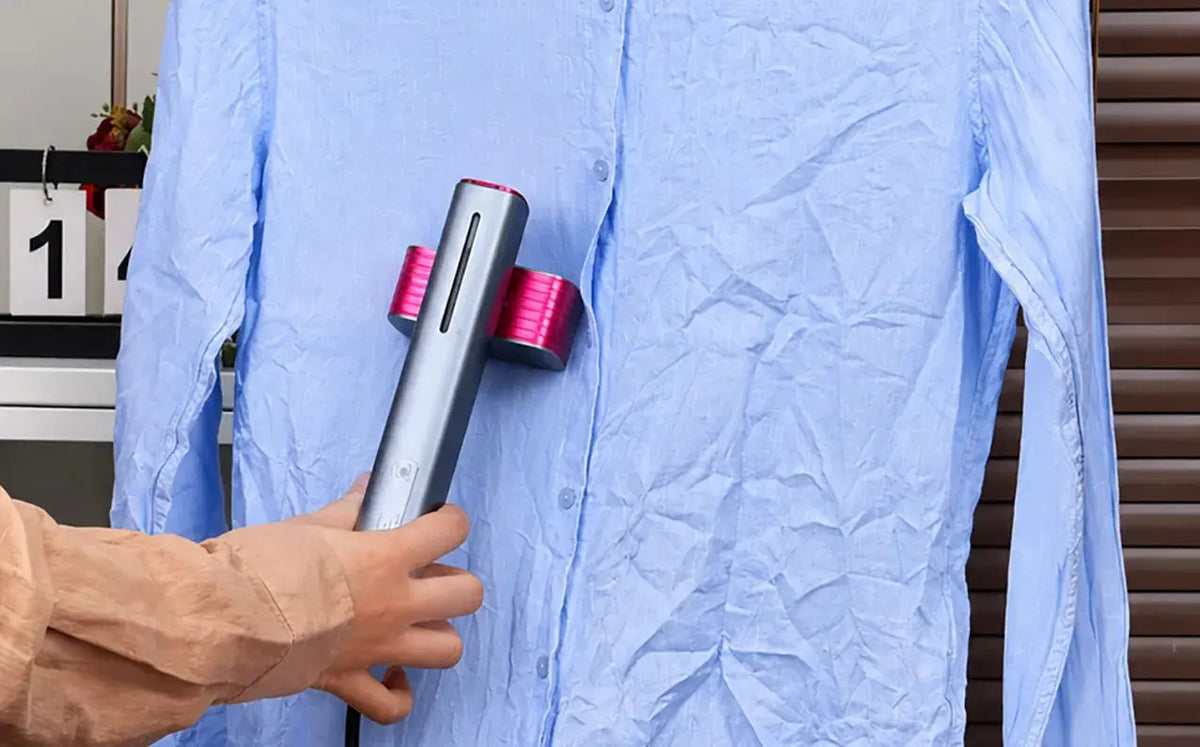
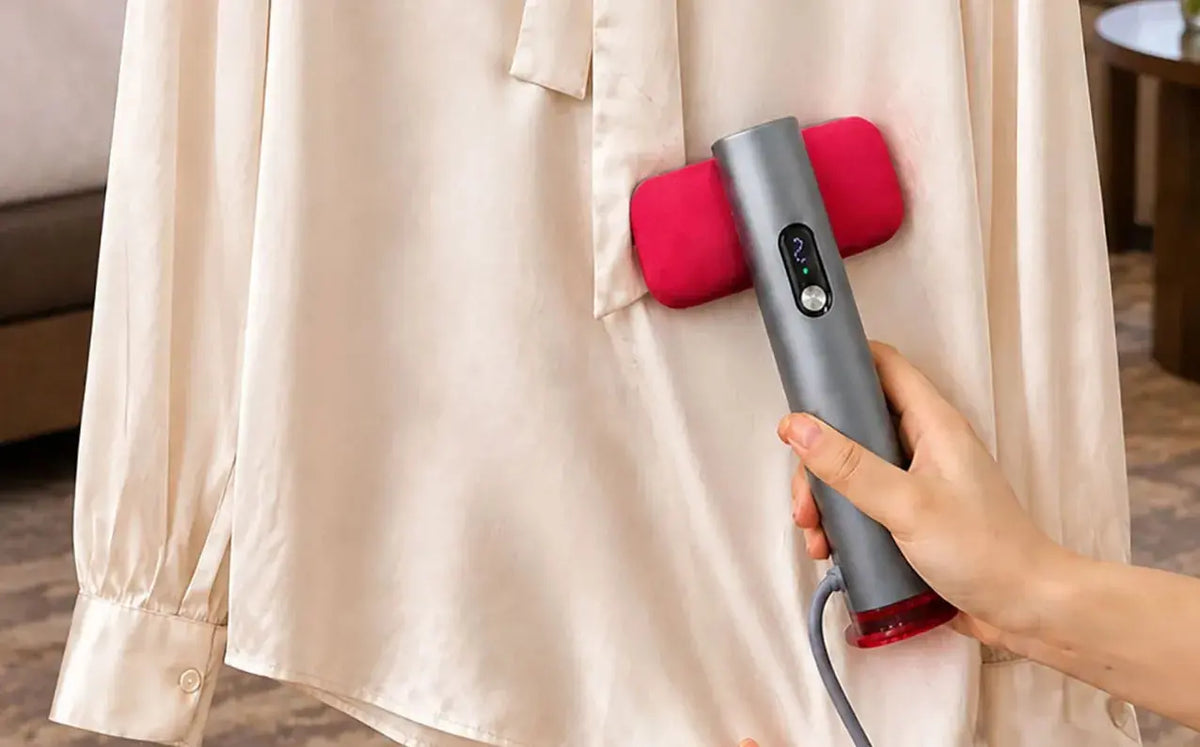
For many small apartments, a handheld steamer is a practical starting point. It's easy to move around, doesn't need a permanent setup, and works well for quick touch-ups on everyday clothing.
If you mostly steam shirts, blouses, dresses, and lightweight pants, compare models by weight, tank capacity, and ease of use. You probably don't need a large standing unit for occasional wrinkle removal.
Travel Clothes Steamers
Travel steamers are designed for portability. Their compact size makes them useful for business trips, vacations, and apartments where storage space is especially limited.
The trade-off is that some travel models have smaller tanks or are better suited to quick touch-ups than long steaming sessions. If you want one appliance for both home and travel, check its capacity and performance as well as its size.
Planning to travel internationally? Check the rated voltage and plug requirements. A model that supports 100–240V can work across a wider range of electrical systems, but you may still need a suitable plug adapter.
Standing Garment Steamers
Standing steamers are worth considering if you regularly steam several garments in one session. Depending on the model, they may offer a larger tank and longer steaming time.
The downside is storage. A standing unit takes up floor space, and setting it up may be inconvenient if you don't have a dedicated laundry area.
For a studio apartment or a small bedroom with limited closet space, a handheld model is usually easier to put away. A standing steamer makes more sense if you have room to keep it assembled and use it frequently.

3. Comparing Nesugar Clothes Steamers
When shopping for a Nesugar clothes steamer, start by matching the model to your routine. The brand offers options for travel and everyday garment care, so think about where you'll use it most often.
For Travel and Tight Storage Spaces
The Nesugar G2 Pro is listed by the brand as a travel-focused model weighing 0.8 lb, with 100–240V compatibility and a 15-second heat-up time. Those features may appeal to people who want a lightweight steamer for travel or occasional touch-ups in a small home.
Before buying, confirm the current specifications and included accessories on the product page.
For More Frequent Garment Care
If you'll use a steamer at home as well as on trips, compare models designed for both settings. Consider the weight, available steam modes, estimated steaming time, and whether the design suits the clothes you usually wear.
Don't choose by wattage or appearance alone. Think about how many garments you typically steam, how much storage room you have, and whether you need a travel-friendly voltage range.
You can browse the available options on the official Nesugar website and compare the specifications for each model before deciding.
4. How to Use a Clothes Steamer in a Small Space
You don't need a dedicated laundry room to steam clothes. A few simple habits can make the process easier and help keep your space tidy.
Hang the Garment Securely
Place the garment on a sturdy hanger and give yourself enough room to move the steamer around it. Keep nearby clothes out of the way so they don't get damp.
Steam in Steady, Controlled Passes
Move the steamer steadily over the wrinkled areas, following the instructions for your specific model. Avoid lingering in one spot unless the manufacturer recommends it.
Keep your free hand away from the steam path. Hot steam can burn skin, even when it's difficult to see.
Check the Care Label First
Many common fabrics can be steamed, but not every material responds well to heat and moisture. Check the care label before you begin, especially for delicate or structured garments.
Don't steam leather, suede, or other materials that aren't suitable for steam unless the manufacturer specifically confirms that the treatment is safe.
Let Clothes Dry Before Putting Them Away
Steaming adds moisture to fabric, so let garments dry before wearing them or returning them to your closet.
This matters in small apartments, where clothes may be stored close together and airflow can be limited. Avoid putting damp garments straight into a closed drawer or tightly packed wardrobe.
Clean and Store the Steamer Properly
Turn the appliance off, unplug it, and let it cool completely before storing it. Follow the manufacturer's instructions for emptying the tank, cleaning the appliance, and removing mineral buildup.
If the steam output drops or the appliance behaves unusually, consult the manual before troubleshooting. Don't disassemble the unit unless the manufacturer instructs you to do so.

5. Clothes Steamer Buying Mistakes to Avoid
Choosing the Cheapest Model Without Checking the Details
A basic steamer may be enough if you only need occasional touch-ups. If you use one every day, a comfortable grip, convenient controls, and a tank that doesn't need constant refilling may be worth paying more for.
Focus on the features you'll actually use instead of paying extra for options that don't fit your routine.
Comparing Wattage Alone
Wattage indicates power consumption, but it doesn't tell you everything about wrinkle removal. Heat-up time, steam output, tank capacity, and the manufacturer's performance information all matter.
Compare the full set of specifications rather than assuming that a higher wattage automatically means better results.
Forgetting to Measure Your Storage Space
Check the dimensions of your drawer, shelf, or cabinet before ordering. Leave room for the cord and accessories, and consider where the steamer will cool after use.
A model that fits your storage space is more likely to be convenient in the long run.
Expecting a Steamer to Replace Every Iron
A steamer is handy for everyday wrinkles and quick garment refreshes. An iron is generally better for sharp creases and crisp finishes, such as on dress shirts.
If you regularly need both results, think about whether a steamer alone will meet your needs.
Overlooking Safety and Maintenance
Hot steam can cause burns, and improper storage can damage an appliance.
Unplug the steamer after use and let it cool completely before putting it away. Follow the manual for handling leftover water and cleaning the tank, and keep the appliance away from children and pets while it's operating or cooling down.
6. Frequently Asked Questions
What's the best clothes steamer for a small apartment?
A compact handheld steamer is a sensible choice if you mainly smooth everyday wrinkles and don't have room for an ironing board. Compare weight, tank capacity, and heat-up time to find a model that fits your routine.
Can a compact steamer handle thick clothing?
It depends on the fabric and the steamer. Some compact models can handle heavier materials, but thick or deep wrinkles may take more time and effort to smooth out.
Check the manufacturer's fabric recommendations before using a steamer on heavy or structured garments.
How much space do I need to store a clothes steamer?
That depends on the model. Measure your available drawer, shelf, or cabinet and compare those measurements with the product's listed dimensions.
Remember to account for the power cord, accessories, and any storage pouch.
Is a more expensive clothes steamer worth it?
Not necessarily. A higher-priced model is worth considering if its features solve a problem you have, such as frequent refills, limited voltage compatibility for travel, or the need for multiple steam settings.
For occasional touch-ups, a simpler model may be all you need.
How should I store a clothes steamer after use?
Switch it off, unplug it, and let it cool completely. Follow the manufacturer's instructions for emptying the tank and cleaning the appliance before putting it away.
Final Thoughts
The best steamer for a small apartment is one that fits your space and handles the clothes you wear most often. For quick touch-ups, a compact handheld model is usually a practical place to start.
Before buying, check the dimensions, weight, tank capacity, and heat-up time. If you plan to travel with it, make sure the voltage and plug requirements suit your destinations.
Choose a steamer that fits your routine—not just one that looks compact in a product photo.