
Portable Steamer with Continuous Steam: How to Choose and Use One
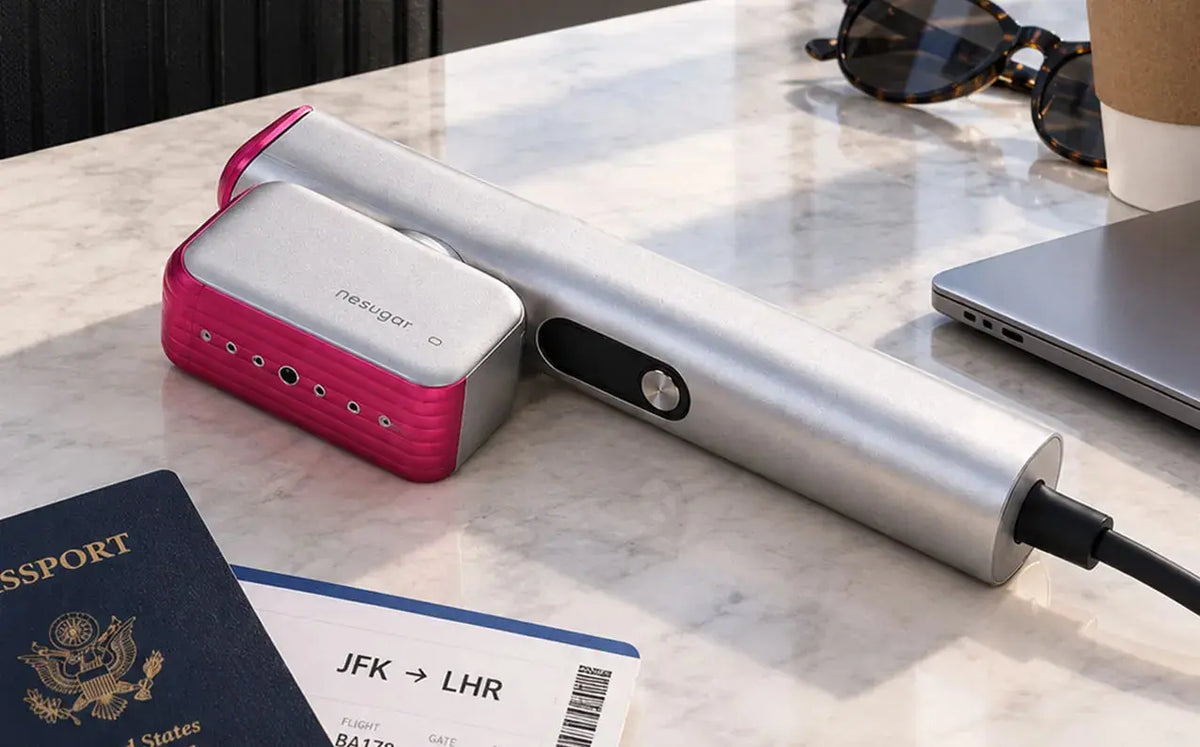
There's nothing more frustrating than pulling a shirt out of your suitcase and finding it covered in wrinkles. The same goes for getting dressed for work, only to discover that the outfit you planned to wear needs a quick touch-up.
A portable garment steamer can help smooth out those wrinkles without the hassle of setting up an ironing board. Models with continuous steam make the process more convenient by delivering a steady flow of steam while you work.
But not every steamer is equally portable, and features that sound impressive on a product page don't always matter in everyday use. If you're shopping for a travel steamer or something to keep at home, here's what to look for, how to use it, and which fabrics need extra care.

What Is a Portable Steamer with Continuous Steam?
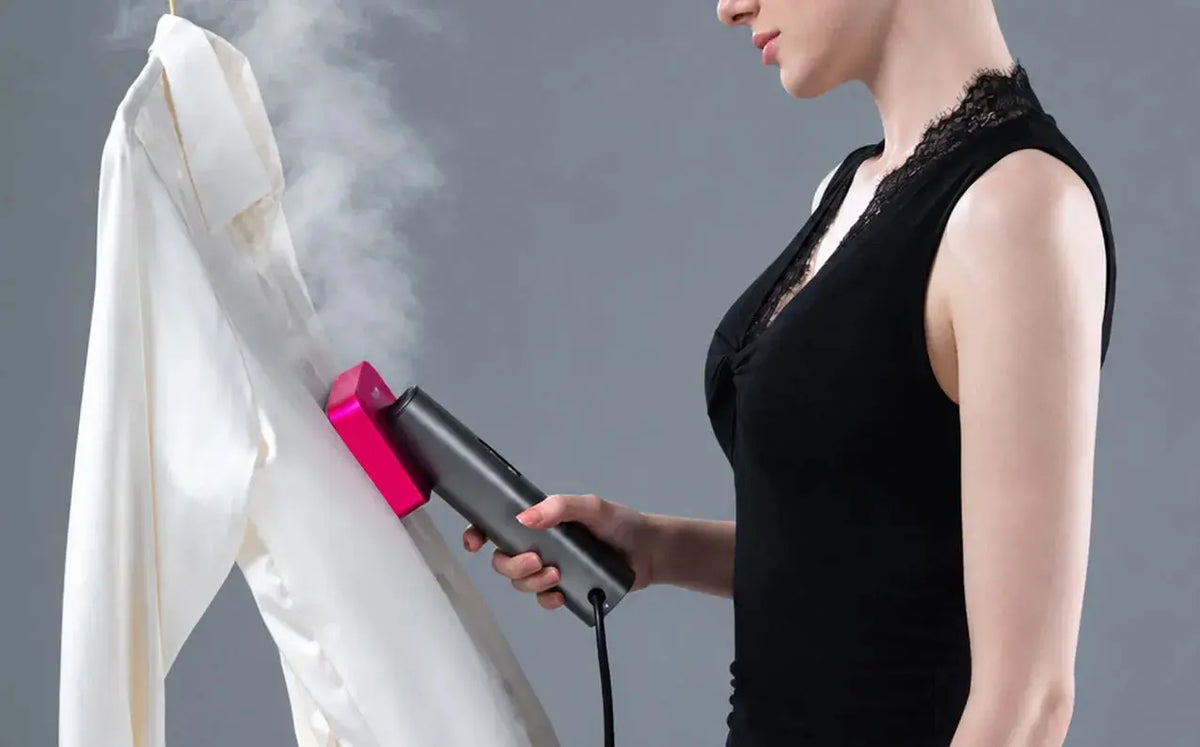
A portable garment steamer uses heated water to produce steam, which helps relax fabric fibers and release wrinkles. Instead of laying clothes flat on an ironing board, you can usually hang a garment and steam it vertically.
A continuous-steam function keeps steam flowing while the steamer is in use. Depending on the model, you may need to hold down the steam button or activate a lock that keeps the steam running without constant pressure.
The main benefit is convenience. You can move down a shirt, dress, or pair of trousers without repeatedly triggering separate bursts of steam.
When Is Continuous Steam Useful?
Continuous steam can be especially handy when you're:
- Getting ready for work: Smooth out a shirt or blouse before heading out the door.
- Traveling: Remove creases that form when clothes are folded into a suitcase.
- Preparing an outfit for an event: Refresh a dress, jacket, or other suitable garment before wearing it.
- Steaming several items: Move from one garment to the next without repeatedly restarting the steam function.
- Working with limited space: Freshen hanging clothes without setting up an ironing board.
Keep in mind that continuous steam doesn't automatically mean better wrinkle removal. Steam output, heat-up time, fabric type, and the way you handle the steamer all affect the results.
How to Choose the Right Portable Garment Steamer
A good portable steamer should be easy to handle, quick to heat up, and powerful enough for the clothes you wear most often. If you travel frequently, weight and voltage compatibility matter, too.
Here's how to compare the features that make a real difference.
1. Steam Output
Steam output affects how efficiently a steamer can loosen wrinkles. Manufacturers often list this figure in grams per minute (g/min).
A steady flow of steam can help with everyday creases, but a higher output number doesn't guarantee better results on every garment. Thick cotton, lightweight polyester, and delicate silk all respond differently to heat and moisture.
Look for a published steam-output rating, and consider it alongside the steamer's overall design and fabric-care instructions.
2. Heat-Up Time
If you only have a few minutes before leaving home, waiting for a steamer to heat up can be frustrating.
Some portable models are ready in under a minute, while others take longer. Check the manufacturer's stated heat-up time rather than relying on a general claim such as "fast heating."
For quick touch-ups, a short heat-up time can be more useful than a large water tank.
3. Weight and Size
A lightweight steamer is easier to pack and more comfortable to hold, especially when you're working on longer garments or steaming several items in a row.
Check the listed weight and dimensions before buying. Think about where you'll use it, too. A compact model may be ideal for a carry-on, while a slightly larger unit may be more practical if you regularly steam clothes at home.
4. Water-Tank Capacity
The water tank determines how long you can steam before refilling.
A larger tank can be useful if you regularly work through several garments, but it may add weight and bulk. A smaller tank is often sufficient for one or two outfits or occasional touch-ups.
Choose based on your routine, not tank size alone. If portability is your priority, a smaller unit may be the better fit.
5. Voltage Compatibility for International Travel
Planning to take your steamer overseas? Check its voltage rating before packing it.
Electrical systems vary by country. A plug adapter changes the plug's shape, but it does not convert voltage. If your steamer isn't designed for the voltage at your destination, plugging it in could damage the device or create a safety risk.
Look for the voltage information on the device itself and in the manufacturer's specifications. If the product supports only one voltage, don't assume it will work everywhere.
6. Safety and Ease of Use
The most useful features are often the ones that make a steamer easier and safer to handle.
Depending on the model, these may include:
- Automatic shutoff
- A clearly marked maximum water level
- A stable base for resting the unit
- Easy-to-reach controls
- A lockable steam button
Read the manual before using any safety feature. For example, automatic shutoff may work differently depending on whether the steamer is left idle, runs out of water, or is placed in a particular position.

Portable Steamer vs. Iron: Which Is Better?
A garment steamer and a traditional iron both remove wrinkles, but they aren't interchangeable in every situation.
|
Feature |
Portable garment steamer |
Traditional iron |
|
Setup |
Usually steams clothes on a hanger |
Typically requires an ironing board or flat surface |
|
Best for |
Quick touch-ups and everyday wrinkles |
Crisp creases and a sharply pressed finish |
|
Travel use |
Compact models are easy to pack |
Depends on size, weight, and voltage |
|
How it works |
Uses steam to relax fabric fibers |
Uses heat and pressure against the fabric |
|
Ease of use |
Often straightforward for basic touch-ups |
Requires more control for some fabrics and finishes |
|
Ideal result |
A smoother, more refreshed look |
A structured, pressed appearance |
Choose a steamer if you mostly want to freshen up hanging clothes, smooth out suitcase wrinkles, or get ready without setting up an ironing board.
An iron is usually the better choice for sharp trouser creases, crisp collars, and garments that need a more structured finish.
If you want both convenience and a sharply pressed look, you may find that each tool has a place in your clothing-care routine.
How to Use a Portable Steamer with Continuous Steam
A few simple steps can help you get better results without putting unnecessary stress on your clothes.
Step 1: Check the Care Label
Before steaming, check the garment's care label. Many everyday fabrics can be steamed, but some materials, finishes, and trims require special treatment.
If you're unsure, follow the garment manufacturer's guidance. Test an inconspicuous area only when the care instructions allow it.
Step 2: Fill the Water Tank
Use the type of water recommended in your steamer's manual. Fill the tank to the marked limit, and make sure it's securely attached before turning the unit on.
Don't add fragrance, detergent, or other products unless the manufacturer specifically says they're safe to use.
Step 3: Let the Steamer Heat Up
Place the unit on a stable, heat-resistant surface and allow it to reach operating temperature. Wait for the ready indicator or follow the instructions provided with your model.
Keep your hands and face away from the steam outlet. Hot steam can cause burns, even when it isn't easy to see.
Step 4: Hang the Garment
Use a sturdy hanger and leave enough space to move around the garment.
Let the fabric hang naturally. If you need to steady it, keep your free hand well away from the steam path. Use a heat-resistant glove if recommended by the manufacturer.
Step 5: Move the Steamer Slowly
Work in steady passes, moving down the garment from top to bottom. Follow the manufacturer's guidance on how close to hold the steam head; some models are designed to touch fabric, while others should be held slightly away.
Let the steam do the work instead of pressing hard against the material. If a wrinkle remains, make another pass rather than holding the steamer in one spot for too long.
Step 6: Let the Clothes Dry
Steaming can leave fabric slightly damp. Give the garment time to dry before wearing it or packing it away.
When you're finished, turn off and unplug the steamer. Let it cool completely before emptying the tank or putting it away, following the manufacturer's instructions.
Which Fabrics Can You Steam?
Most common clothing fabrics can benefit from steaming, but the right approach depends on the material and the garment's construction.
-
Cotton: Steam can help release everyday wrinkles. Heavier cotton may take a few passes.
-
Linen: Steaming can soften creases, but linen naturally tends to have some texture. Don't expect every wrinkle to disappear.
-
Polyester: Many polyester garments can be steamed, but excessive heat may affect certain fibers, finishes, or decorative details.
-
Silk: Use extra care and check the care label. Test a hidden area only if the garment's instructions permit it.
-
Wool: Many wool garments respond well to gentle steaming. Avoid soaking the fabric or holding the steamer too close for too long.
- Blended and delicate fabrics: Check the care label before applying steam. Different fibers, linings, coatings, and trims can react differently to heat and moisture.
When in doubt, follow the garment manufacturer's instructions. If the label says not to steam, don't use a steamer on it.

Common Portable Steamer Problems and How to Fix Them
If your steamer isn't working properly, a few basic checks may help. Always switch it off and unplug it before inspecting the unit.
The Steamer Isn't Producing Steam
Check that the device is plugged in, switched on, and fully heated. Make sure there's enough water in the tank and that the tank is fitted correctly.
If it still won't produce steam, let the unit cool and consult the troubleshooting section of the manual.
The Steam Output Is Weak
A low water level or mineral buildup may affect steam performance. Refill the tank if needed and follow the manufacturer's instructions for cleaning or descaling.
Don't insert sharp objects into the steam outlet or take the device apart unless the manufacturer specifically instructs you to do so.
The Steamer Is Spitting Water or Leaking
Turn off and unplug the steamer if it starts leaking or releasing excessive water. Once it has cooled, check that the tank is installed correctly and hasn't been filled above the maximum line.
If the problem continues, stop using the device and contact the manufacturer or an authorized service provider.
The Steamer Takes Too Long to Heat Up
Check the expected heat-up time in the product specifications and confirm that you're using a compatible power supply.
If the device takes substantially longer than specified or stops heating normally, consult the manual or contact customer support rather than continuing to use it.
Tips for Traveling with a Portable Steamer
A compact garment steamer can be useful on business trips, vacations, and weekend getaways. A little preparation can help you avoid problems on the road.
-
Check the dimensions and weight. Make sure the steamer fits comfortably in your luggage.
-
Confirm voltage compatibility. Check the rating for both the device and your destination's electrical supply.
-
Empty the tank before packing. This helps prevent leaks during transit, unless the manufacturer's instructions specify otherwise.
-
Let it cool completely. Never pack the unit while it's still hot.
-
Protect the steam head. Pack it so the outlet won't be damaged by other items.
- Review airline requirements. Check the applicable baggage rules before departure.
A travel steamer isn't always necessary. If you're taking a short trip, packing wrinkle-resistant clothes may be enough. For longer trips or business travel, a compact steamer can be more useful, particularly when you need to look polished soon after arriving.

Frequently Asked Questions
What does continuous steam mean on a portable steamer?
Continuous steam means the steamer is designed to deliver a steady flow of steam while you're using it. Depending on the model, you may need to hold down the steam button or activate a lock to keep the steam flowing.
Is a portable steamer better than an iron?
It depends on what you're ironing and the finish you want. A steamer is convenient for everyday wrinkles and hanging garments. An iron is generally better for crisp creases and a sharply pressed look.
Can I steam every type of fabric?
No. Many common fabrics can be steamed, but some garments require special care or shouldn't be exposed to steam. Check the care label before use.
Can I take a garment steamer overseas?
That depends on the steamer's voltage rating and the requirements at your destination. Check the device specifications before traveling. Remember that a plug adapter does not convert voltage.
How much water should I put in the tank?
Follow the manufacturer's instructions and never exceed the maximum fill line. Use only the type of water recommended for your model.
Why is my steamer leaving water spots?
Water spots may result from condensation, excess water, mineral buildup, or a fabric that doesn't respond well to steaming. Make sure the unit is fully heated, use the recommended technique, and follow the manufacturer's cleaning instructions.
Final Thoughts
If you regularly pull wrinkled clothes out of a suitcase or need a quick way to freshen up an outfit before work, a portable garment steamer can make getting dressed easier.
A continuous-steam model is worth considering if you prefer a steady flow of steam while working through a garment. Before buying, compare the features that matter most to you: steam output, heat-up time, weight, tank capacity, voltage compatibility, and ease of use.
The right choice depends on your routine. A frequent traveler may prioritize a lightweight design, while someone steaming several outfits at home may prefer a larger tank.
Check the product specifications, follow garment-care instructions, and choose a steamer that fits the way you actually get dressed.