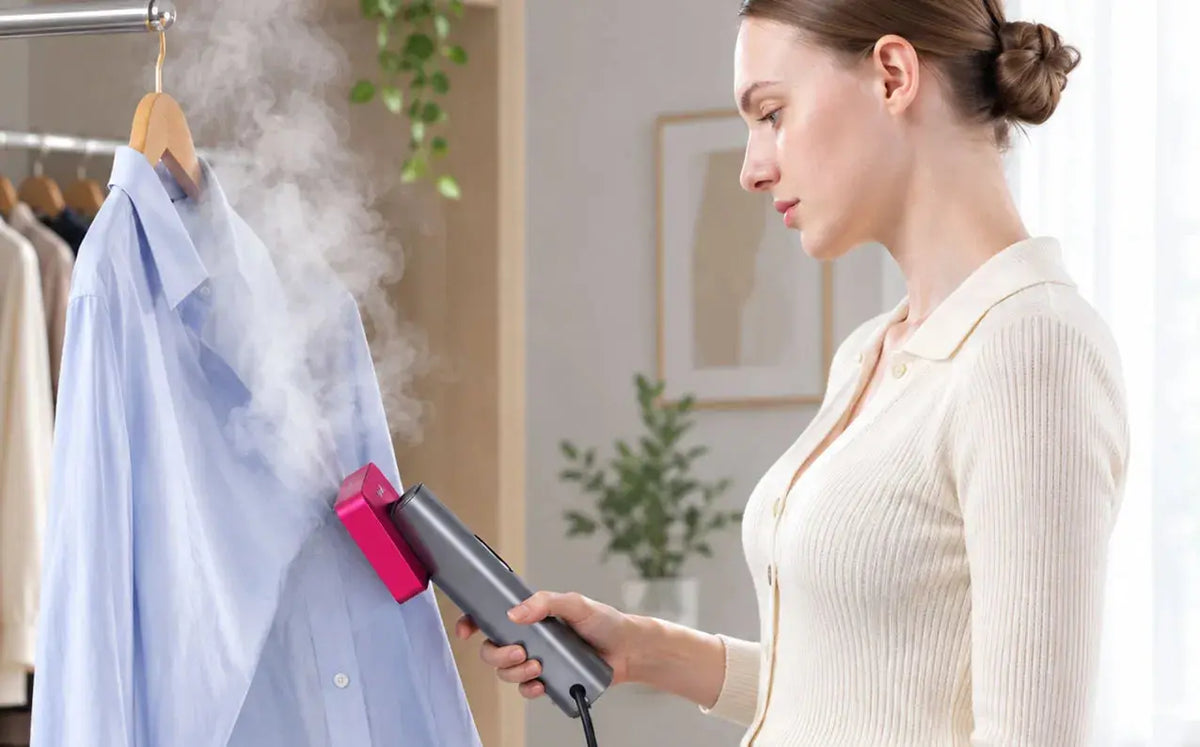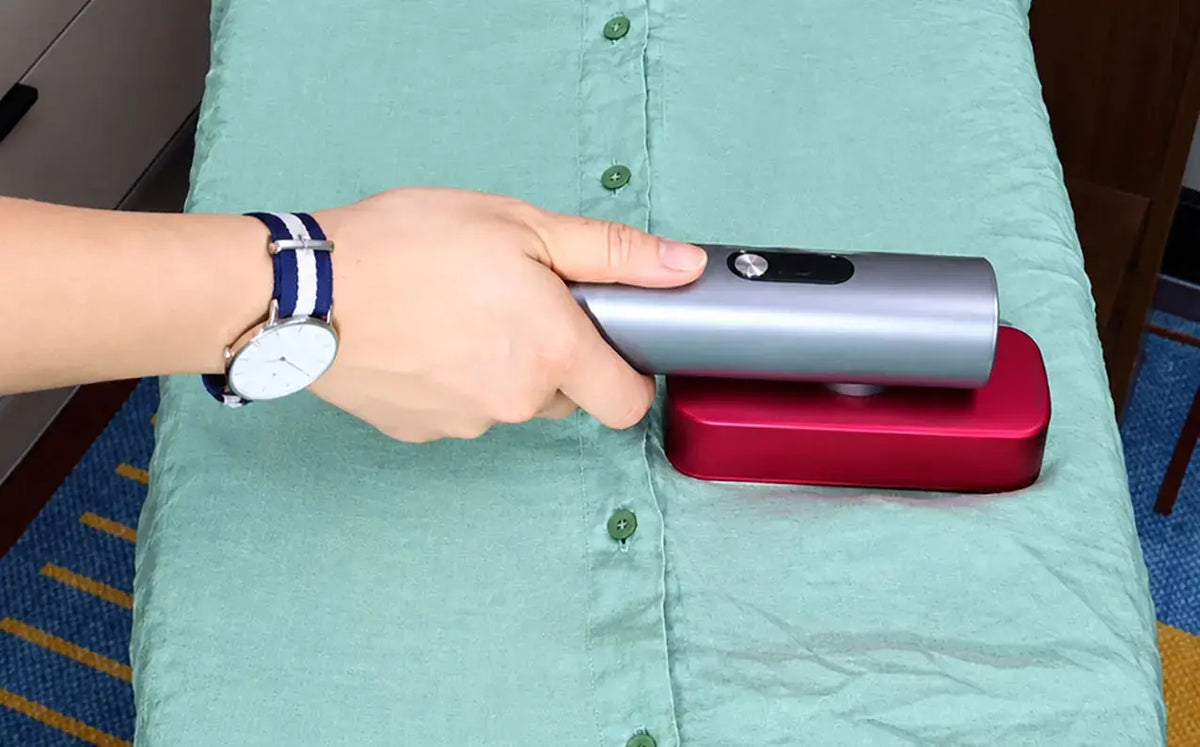

How to Choose a Multi-Setting Clothes Steamer for Different Fabrics
Ever pull your favorite shirt out of the closet right before work, only to find it's covered in wrinkles? Or unpack your suitcase and discover that everything needs a quick refresh?
A clothes steamer can help smooth out wrinkles without the hassle of setting up an ironing board. But not every garment needs the same amount of steam. Cotton and linen can be tough to de-wrinkle, while silk and some synthetic fabrics need a gentler touch.
That's why a multi-setting clothes steamer can be useful. The right one gives you more control over how you care for your clothes, whether you're getting ready for work, freshening up a dress, or preparing for a trip.

1. Why Do Steam Settings Matter?
Different fabrics respond differently to heat and moisture. A setting that works well on a cotton shirt may be too strong for a delicate blouse.
An adjustable clothes steamer lets you tailor the steam to the garment instead of using the same setting on everything. This can be especially helpful if your wardrobe includes work clothes, casual basics, and delicate pieces.
Before steaming, check the garment's care label and your steamer's instructions. If you're unsure whether a fabric can handle steam, test a hidden area first. Some garments aren't suitable for steaming at all.
2. Which Steam Setting Works Best for Each Fabric?
The right setting depends on the fabric, the garment's construction, and the steamer you're using. Use this table as a general guide, and always follow the care label.
|
Fabric |
Where to start |
Tips for better results |
|
Cotton |
A higher setting, if permitted |
Make slow passes over stubborn wrinkles |
|
Linen |
A suitable medium or higher setting |
Work in sections and let creases relax |
|
Silk and chiffon |
The gentlest suitable setting |
Test a hidden area and avoid excess moisture |
|
Polyester and blends |
A low setting |
Increase only if the care label and manual allow it |
|
Wool |
Gentle steaming, if permitted |
Maintain the recommended distance and avoid stretching |
Cotton: Cotton shirts and everyday basics can often tolerate stronger steam than delicate fabrics. Move slowly over creases rather than holding the steamer in one spot.
Linen: Linen wrinkles easily, especially after washing or traveling. Work on one section at a time and give the fabric a moment to relax before moving on.
Silk and chiffon: These lightweight fabrics need extra care. Only steam them if the care label allows it. Start with the gentlest suitable setting and test an inconspicuous area before treating the entire garment.
Polyester and blends: Some synthetic fabrics are sensitive to heat and may become shiny or misshapen. Start low, keep the steamer moving, and stop if you notice any change in the fabric's appearance.
Wool: Gentle steaming may help relax wrinkles in suitable wool garments. Keep the steamer at the recommended distance and avoid pulling on the fabric. For lined coats and structured jackets, follow the garment manufacturer's care instructions.
When in doubt, start with the gentlest suitable setting. More steam doesn't automatically mean better results.

3. What to Look for in a Clothes Steamer
Before you buy, think about what you'll be steaming and how often you'll use the device. A steamer for occasional touch-ups has different requirements from one you'll use on several outfits every week.
Here's what matters most:
- Useful steam settings: Look for settings that suit the fabrics you wear most. A few practical options are more valuable than modes you'll rarely use.
- Consistent steam output: Steady steam makes it easier to work through wrinkles. Check the manufacturer's specifications and look for reviews that discuss everyday performance.
- Comfortable weight and grip: A lightweight handheld steamer is easier to maneuver around collars, sleeves, and hems. If you steam several garments at once, a comfortable handle matters.
- Water tank capacity: A larger tank means fewer refills but can add weight. If you usually steam one shirt at a time, a smaller tank may be sufficient.
- Heat-up time: A quick warm-up is handy when you're getting dressed for work or touching up an outfit before heading out.
- Safety and maintenance: Check the cleaning instructions and any safety features included with the model. If automatic shutoff matters to you, confirm that it's listed in the product specifications.
You don't necessarily need the most powerful model. For quick touch-ups, easy handling and a short heat-up time may matter most. If you regularly steam several garments in one session, look more closely at tank capacity and comfort.
4. How to Steam Clothes Without Damaging Them
A clothes steamer is easy to use once you know the basics. Follow these steps to get started.
1.Check the care label. Make sure steaming is suitable for the garment.
2.Fill the water tank. Follow the manufacturer's instructions for the recommended water type and fill level.
3.Let the steamer heat up. Wait until the device indicates it's ready.
4.Hang the garment securely. Give the fabric enough room to hang naturally.
5.Choose a suitable setting. Start gently if you're unsure, provided steaming is permitted.
6.Work in sections. Move the steamer steadily and follow the recommended distance and technique in the manual.
7.Let the garment dry. Allow any remaining moisture to dissipate before wearing or storing it.
Avoid using the highest setting on every garment, holding steam in one spot for too long, or pulling on delicate fabric as you work. Don't put clothes away while they're still damp.
For delicate blouses, lined garments, and structured jackets, always follow the care label rather than relying on general steaming advice.

5. Clothes Steamer vs. Iron: Which Is Better for You?
A clothes steamer is convenient for quick touch-ups, while an iron is better for creating a crisp, pressed finish. Here's how they compare.
|
What you need |
Clothes steamer |
Traditional iron |
|
Quick wrinkle removal |
Convenient for many hanging garments |
Effective but usually requires more setup |
|
Everyday shirts and dresses |
Useful for suitable fabrics |
Better when you want a more pressed finish |
|
Sharp creases |
Generally less effective |
Better for crisp trouser creases and defined edges |
|
Setup and storage |
Often quick to set up and put away |
Usually requires an ironing board or pressing surface |
|
Travel |
Compact models can be easy to pack |
Often takes up more luggage space |
|
Best for |
Quick touch-ups and refreshing suitable garments |
Precise pressing and structured finishes |
If you mostly wear casual clothes, dresses, and work shirts that need a quick refresh, a portable clothes steamer may cover many of your everyday needs.
If you regularly wear dress shirts with crisp collars or trousers with sharp creases, an iron is still worth having. Some people keep both on hand: a steamer for everyday touch-ups and an iron for a more polished finish.
6. NESUGAR G2 Pro vs. G5 Pro: Which Portable Steamer Should You Consider?
If you're shopping for a travel clothes steamer, start by deciding what matters most. A lightweight design can make packing easier, while a short heat-up time can be useful when you're in a hurry.
The NESUGAR G2 Pro and G5 Pro are two models to compare. Their listed features cater to different priorities, so consider how you'll use your steamer before choosing.
NESUGAR G2 Pro: For Travelers Who Want to Pack Light
The NESUGAR G2 Pro Portable Travel Steamer is listed at approximately 0.8 pounds. If you're trying to keep your carry-on light, that makes weight an important point to consider.
Its product listing also specifies 100–240V input voltage support, which can be useful for international travel. However, voltage compatibility doesn't guarantee plug compatibility. You may still need a plug adapter, depending on your destination.
If you travel frequently, compare the G2 Pro's weight, tank capacity, and steaming performance with other travel steamers. The lightest option isn't necessarily the best fit if it doesn't meet your clothing-care needs.

NESUGAR G5 Pro: For Quick Touch-Ups Before You Head Out
The NESUGAR G5 Pro Smart Handheld Steamer lists an approximately 15-second heat-up time, dual steam settings, and 100–240V input voltage support.
A short warm-up can be convenient when you need to smooth out a shirt before work or freshen up an outfit before going out. The two steam settings also offer options for different clothing-care needs, as long as the selected setting is suitable for the fabric.
Before choosing the G5 Pro, consider how it fits your routine. If you usually steam one outfit at a time, look at its overall weight and how comfortable it is to hold. If you steam several garments in one session, tank capacity and ease of maintenance may be just as important as heat-up time.
Product specifications can change, so check the current details on the official product pages before purchasing.
Final Thoughts
The best clothes steamer is one that works with the clothes you own and the way you use them. Start with your wardrobe, then compare steam settings, weight, tank capacity, and heat-up time.
If you travel often, portability may be your top priority. For everyday use at home, a comfortable grip and fewer refills may matter more.
Choose a model that makes clothing care easier, and follow garment care labels to help keep your clothes looking their best.